
I’ve seen all sorts of stories about investment scams, but scams happening on Telegram are showing up more than ever now. People are losing savings, friends are being lured in by promises of fast profits, and even savvy investors can get caught up if they overlook certain warning signs. In this article, I’m shining a light on how these Telegram investment scams work, the main red flags, and what you can do to protect yourself from falling victim.
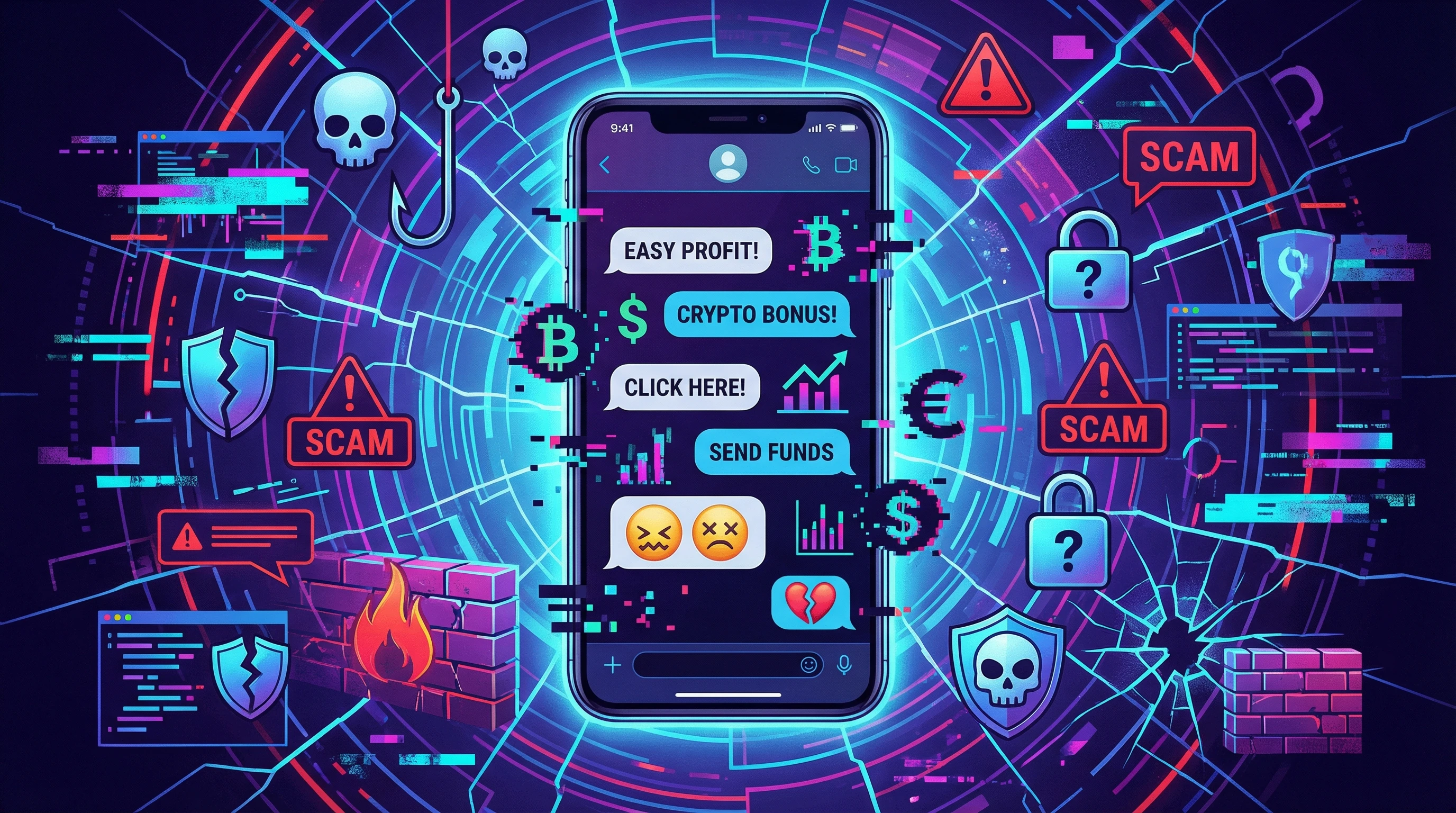
How Telegram Became a Hotspot for Investment Scams
Telegram has exploded in popularity because it’s easy to use, lets big groups chat openly or privately, and protects users’ privacy in ways that most social platforms don’t. This makes it attractive for genuine communities but also for scammers. Fraudsters can easily run anonymous accounts, create group channels for fake investment projects, and reach thousands with little risk of being tracked or shut down.
The rise of investment scams on Telegram isn’t a surprise to anyone who spends time online. Groups pop up that claim to offer secret crypto trades, guaranteed returns, or insider financial tips. These groups often look professional, with flashy logos and testimonials. But once people send money, the admins vanish or block access. The funds are gone.
I’ve noticed that scammers often move quickly, deleting groups or changing names frequently to dodge reports and bans. Telegram’s open ecosystem offers limited checks, which helps scam groups stay active for longer than you’d expect. This digital wild west atmosphere makes it much easier for fraud to spread quickly. What might begin as a simple direct message from an unknown user can rapidly cascade into a large-scale scam targeting thousands.
Different Types of Investment Scams on Telegram
I’ve come across several flavors of these scams, each playing on people’s hopes of quick, easy gains. Some of the most common types are:
- Ponzi Schemes: Promising high daily, weekly, or monthly returns, usually by “reinvesting” funds from new members to pay early participants. These always collapse when recruitment slows.
- Pump and Dump Groups: Coordinating large buys of certain cryptocurrencies or tokens to inflate the price, then dumping them on unsuspecting buyers once prices spike. The organizers profit, while new entrants lose money quickly.
- Fake Trading Bots: Claiming to run automated trading bots delivering consistent profits. Scammers ask for deposits to activate the bot, but no bot exists, and withdrawals are blocked after a certain point.
- Paid Signal Groups: Charging access fees for stock or crypto tips. These tips are either worthless, copied from free sources, or designed to help front run the group’s owners’ trades.
- Fake Investment Platforms: Funneling users from Telegram into fraudulent websites or apps that look like real brokers. Users see fake account balances and profits, but never actually get their money back out.
Scammers invent new versions regularly. Tactics are switched up as soon as people catch on or platforms take action. Some even use a combination of these approaches to confuse and snare more victims, showing just how creative and persistent these fraudulent networks can be.
Main Tactics Used by Investment Scammers on Telegram
I’ve watched how easily scammers build trust with simple tricks. Here’s how they usually work:
- Fake Testimonials and Screenshots: Flooding chats with supposed proof of payouts, trade successes, and happy customer reviews. These images are often doctored or stolen from legitimate sources.
- Social Pressure: Using bots or paid actors to chat in groups, making it seem like everyone is making money. This herd mentality convinces people that investing is safe or risk-free.
- High-Pressure Messaging: Sending direct messages, private invites, or time-limited offers to push people to act fast, with little time for research or doubt.
- Impersonation: Pretending to be well-known traders, influencers, or even friends by copying profile photos and usernames.
- Fake Admins or Support Staff: Offering help to new members, then guiding them to deposit more funds or share private wallet details.
Once you know these tricks, it’s easier to spot a scam in progress. But scammers are always looking for new ways to manipulate users, so staying sharp is a must.
Red Flags and Warning Signs of a Telegram Investment Scam
Certain warning signs make me extra careful about any investment offer on Telegram:
- Guaranteed High Returns: Any group promising fixed or daily profits way above normal market rates is suspicious right away.
- Lack of Transparency: Offers with unclear or hidden team names, no business registration, or secret investment methods usually signal a scam.
- Anonymous Admins: Real professionals are open about who runs the group. If all the admins are hiding their identity, that’s a big warning.
- Copy Paste Messages: Automated welcome messages or announcements that repeat endlessly are usually the hallmark of bot-run scam groups.
- Banned Questions: Groups that silence or kick out members who ask tough questions are protecting a scam, not an investment opportunity.
- Unverifiable Proof: "Proof" of payment that can’t be checked with an outside source or appears on suspicious websites should never be trusted.
I always suggest double-checking any claims and questioning anything that seems too good to be true. In online spaces like Telegram, skepticism is your best friend.
Protecting Yourself from Telegram Investment Scams
To stay safe, I follow a few practical steps before trusting any investment group or offer I see on Telegram:
- Research the Group and Admins: I always search for the group or company name online, review feedback, and see if admins have a real digital presence on multiple authentic platforms.
- Check the Offer with Independent Sources: If a project is real, there will be news coverage, official company profiles, and trustworthy third-party discussions. If all information is only available on Telegram, I become super cautious.
- Avoid Sending Personal Data or Crypto: I never send my wallet keys, passwords, or other private information. Any group asking for this is a scam.
- Question Unusual Payment Methods: Scammers encourage deposits in hard to recover cryptocurrencies or gift cards instead of through transparent financial systems. If the payment process is weird, I walk away.
- Turn on Two Factor Authentication: Even if I don’t invest, using two factor authentication protects my account from being hijacked.
When in doubt, waiting a few days before acting and talking to a trusted friend can prevent a lot of regret. Remember, hesitation and a bit of extra research may save you from a lot of trouble.
What To Do If You’ve Been Scammed
If someone falls victim to a Telegram investment scam, there are a few steps I always recommend taking right away:
- Stop All Communication: Cut off contact with the scammers quickly, including leaving groups and blocking direct messages from admins.
- Collect Evidence: Take screenshots of chats, payment requests, and any transaction details. These will help if you decide to file reports.
- Report to Telegram: Use Telegram’s reporting tools to flag scammy groups or accounts. This can sometimes help protect other users.
- Report to Law Enforcement: Submit a complaint to your country’s cybercrime authority or the police. Some regions have dedicated cryptocurrency or financial fraud units.
- Alert Financial Institutions: If bank details or credit card information is at risk, letting your bank know can sometimes help you freeze accounts or undo certain transactions.
- Warn Others: Sharing your story can help prevent the same scam from trapping more people. I reach out in online forums or social media to get the word out when I can.
Even though it’s unlikely you’ll get your money back, reporting makes it a bit harder for scammers to keep operating. Standing up and sharing your experience helps others steer clear of danger too.
Common Questions About Telegram Investment Scams
I get asked a lot about the risks and safety steps related to Telegram scams. Here are some of the questions I hear most:
Question: Can Telegram or the police recover your money after a scam?
Answer: In almost all cases, the answer is no. Transactions with crypto or wire transfers are difficult, if not impossible, to reverse. That’s why preventing scams and staying cautious are so important.
Question: Are all investment groups on Telegram fake?
Answer: Not every investment group is a scam, but the risk is much higher on Telegram than on regulated platforms. Real investment opportunities have transparent teams and official communications outside of Telegram.
Question: Why are people still falling for these scams?
Answer: Scammers take advantage of the promise of quick profits and the trust people naturally put in group communities. When everything appears friendly and positive, it’s easy to lower your guard.
Question: What should I do if a friend invites me to a Telegram group promising profits?
Answer: Thank your friend for the invite but check the offer independently. Don’t let social pressure rush you. If you see the warning signs mentioned above, share them with your friend too.
Real World Examples: How Scams Unfold
I’ve come across some examples where Telegram scams have caused real damage. In one instance, users joined a group advertising guaranteed bitcoin trading profits. Many put in a small test deposit and got a fast, small payout. Once they invested larger amounts, all communication stopped, and withdrawals were blocked. The group soon vanished.
Another common case involves small, lesser known crypto tokens. Scammers create hype, organize "pump events," then dump their holdings for a quick profit. Dozens or hundreds of newcomers are left with worthless coins and no recourse.
I’ve found that scammers often adapt their strategies quickly; if one method stops working, they’ll try another approach. For example, after regulators crack down on obvious pyramid schemes, scammers might switch to fake trading bots or insider tipster groups presenting themselves as private investment clubs. Staying alert and sharing warnings with others is crucial because scammers keep finding new angles to exploit excitement around investing.
In another scenario, some victims report that after being scammed by one group, they receive messages from "recovery agents" promising to get their money back for an upfront fee. These recovery offers are almost always another layer to the scam, preying on people’s desperation after a loss. It’s a sobering reminder that scams can come in waves, and losses often lead to more targeting by fraudsters.
Useful Resources and Where to Find Help
If you think you or someone you know is being targeted, there are places to learn more and find help:
- Action Fraud (UK): For reporting scams in the UK.
- FBI Internet Crime Complaint Center (IC3): For U.S.-based complaints.
- Federal Trade Commission (FTC): Advice and reporting for fraud victims.
- Telegram Support: Report suspicious activity on the platform.
- FTC Guide to Avoid Cryptocurrency Scams
Learning more about how scams work can make a big difference in staying safe. I always encourage others to discuss any suspicious offer with people they trust before getting involved. It also helps to stay up to date through online articles and scam alert forums, since new approaches pop up frequently.
Staying Safe on Telegram: The Takeaway
Telegram is a great platform for connecting with communities, but the same freedom that makes it fun also helps scammers thrive. I’ve learned to rely on common sense, double-check all opportunities, and avoid quick-fix investments. Protecting personal details, knowing the warning signs, and getting the word out about scams helps keep your finances and peace of mind safe. When it comes to investing, patience and careful research win every time. Wrapping up, it’s your skepticism, ongoing caution, and willingness to walk away from sketchy offers that protect you best in today’s fast-paced digital world.