
Online job searches continue to attract millions of people looking for new opportunities. While I find the internet incredibly useful for job hunting, it also provides a platform for scammers aiming to trick people out of their money, time, or personal information. Knowing about the newest types of job scams keeps me a step ahead and helps me avoid trouble. In this article, I’ll walk you through the latest job scams, how they work, and what you can do to protect yourself as you look for your next role.
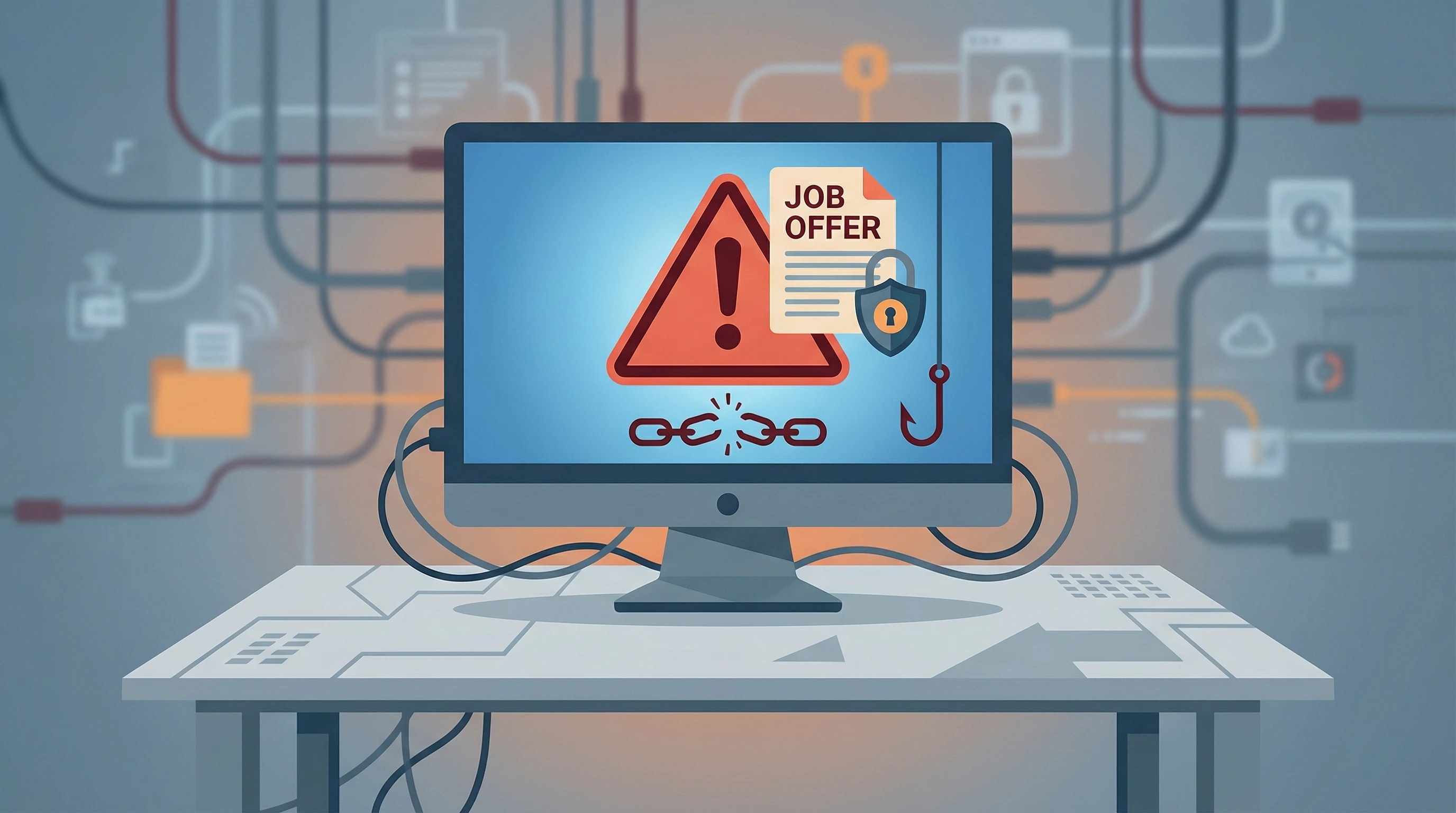
Why Job Scams Are Still Common Online
Online job scams are more common than many people realize. The remote work trend, faster online applications, and a crowded job market have given scammers new ways to trick job seekers. When I browse various job boards or receive emails about opportunities, I often see that scammers use convincing company names and realistic websites. According to the Federal Trade Commission, thousands of job scam reports are submitted every year, and these scams can take many forms—from fake job offers to requests for payment before an interview.
Job scammers are getting more creative all the time. They keep up with new technology and adjust their schemes as more people become aware of older tricks. Because these scammers are quick to take advantage of new trends, even experienced job seekers can fall victim if they don't stay alert. Often, they spot updates on popular trends before the public gets word, and immediately try to turn these into profit through fresh fake opportunities.
The Most Widespread New Job Scams
I’ve noticed several new types of job scams in the past year. Some look more believable than ever, making it even more important to understand how they work. Here are the latest scams making the rounds:
- Phishing Recruitment Scams: Scammers pretend to be recruiters from big companies. They send emails or text messages with links that steal your information or install malware on your device.
- Remote Work Equipment Scams: You’re told that you’ve been hired, then asked to buy equipment or pay for training upfront. The scammer might send a fake check to "cover" costs, only for it to bounce once you send them money.
- Fake Job Apps and Portals: New apps or websites promise easy jobs or fast hiring but collect your resume, bank account details, or Social Security number for identity theft.
- AIDriven Interview Scams: Scammers use chatbots or deepfake video interviews to gather your answers and personal information in a realistic, but fake, process.
- Freelance Platform Impersonators: Some scammers create fake freelance projects, luring people to offplatform payment methods or asking them to pay "fees" to get started.
These scams often adapt quickly. For example, I’ve seen scammers now using legitimate looking LinkedIn messages or sending personalized emails that reference my actual resume or work history found online. This attention to detail makes the scam much more believable. The use of social engineering and AI tools further adds to the complexity, making old warning signs less obvious.
Newer scams can sometimes use websites that actively scrape the web for resumes, combining them with data leaks to create highly personalized, realistic offers. This not only makes a scam appear authentic, but it can also cause a target to lower their guard faster than before.
How Scammers Target Job Seekers
Scammers are very good at blending in with real employers and recruiters. They use some common tricks to seem credible and win your trust:
- Forged Email Addresses: The scammer uses an email address that looks almost identical to an actual company’s address, with extra letters or slight spelling differences.
- Professional Websites: Many scams link to slick websites that copy legitimate company pages. These fake sites make it easy to believe you’re dealing with a real business.
- Short, Fast Hiring Process: Job scams usually skip real interviews. You might get hired right away, making you feel lucky, but the goal is to rush you into sharing personal details or sending money.
- Requests for Sensitive Info Early On: A scammer might ask for your Social Security number, bank account details, or a scan of your identification, which aren’t needed for legitimate early stage job applications.
- Pressure to Act Quickly: Scammers often say a decision has to be made quickly or the job will go to someone else, which makes you less likely to notice warning signs.
When I see these red flags, I pause and do extra research. I check company websites, contact HR departments directly, or look for reports on job scam tracking sites like the Better Business Bureau’s Scam Tracker. Verifying the company’s contact numbers by searching official sources is especially important.
What To Do If You’ve Been Targeted by a Job Scam
Even the savviest job hunters can get caught off guard. If I think I’ve run into a scam, I take these steps right away:
- Stop Contact Immediately. Don’t send any money or further information. Cut off all communication with the scammer.
- Scan My Computer or Phone. If I clicked a suspicious link or downloaded anything, I run a security scan for malware or viruses.
- Monitor My Accounts. I watch my bank account and credit cards for unexpected charges. If I shared sensitive details, I consider placing a fraud alert or credit freeze through major credit bureaus.
- File Reports. I report the scam to the Federal Trade Commission (FTC), local law enforcement, and the job platform where I found the listing. Reporting can help others avoid the same scam.
- Warn My Network. I let friends or industry contacts know, especially if the scammer used a fake profile connected to a trusted company or person.
Recovering from a job scam can be stressful and take time, especially if personal information has been exposed. In my case, early action usually reduces the impact and prevents further harm. It’s also worth contacting credit monitoring services and leveraging resources available from workplace associations or state agencies for support.
Smart Tips for Avoiding Job Scams
I always use a few simple habits to avoid falling for job scams, and these tips have saved me from trouble more than once:
- Research Every Opportunity: I search for the company’s real website, check its job listings, and crosscheck all contact details.
- Never Pay Upfront: Legitimate employers don’t require you to pay for background checks, training, or equipment as a condition for being hired. If you’re ever asked to pay, it’s time to walk away.
- Use Known Platforms: Trusted job boards and career sites often review new postings, reducing scam risk. I’m cautious with newer apps or direct messages from strangers.
- Check for Grammar and Spelling: Sloppy emails or poorly written job descriptions are often warning signs of a scam, especially if combined with outlandish promises or pressure tactics.
- Be Skeptical of Big Promises: Jobs offering huge pay for little work, especially if they don’t require experience, rarely turn out to be real.
I’ve learned that if anything feels “off,” stepping back for a closer look is always a smart move. Taking twenty minutes to verify a listing is much better than dealing with identity theft or stolen money later on. If you’re unsure, reaching out to someone in your field for a second opinion is always worthwhile.
AI and the New Age of Job Scams
Artificial intelligence tools have made it easier for scammers to craft emails and websites that sound professional. In my recent job searches, I’ve come across scam listings that use AIwritten job ads and chatbots to communicate in real time. These tools can answer questions in the same way a real recruiter would, making fake jobs even harder to spot.
Staying ahead means keeping up with these changes. Scammers may also use voice cloning software to make phone calls sound like they’re coming from a real hiring manager. When things seem more advanced than before, I doublecheck the source and stick to using email addresses and phone numbers found on real company websites. I also look for subtle signals, like inconsistent details or odd phrases, that AI might miss. Many official job boards are now using their own technology to weed out such scams, so using those reputable sources gives additional peace of mind.
Common Red Flags to Watch For
Identifying job scams sometimes comes down to recognizing the warning signs. Here are the signals I keep an eye out for on every job search:
- Unprofessional Communication: Recruiters who use free email addresses (like Gmail or Yahoo) or communicate through messaging apps without company information.
- No Company Details: If I can’t find information on the company or the hiring manager, I treat the job listing with suspicion.
- TooGoodtoBeTrue Offers: Whenever a job promises high salaries for little effort, minimal experience, or no background checks, I’m suspicious.
- Requests for Personal Financial Details: Being asked for bank information, crypto wallets, or other private financial info before a formal offer raises concerns.
- Odd Payment Methods: Employers asking for “startup fees” using payment apps, wire transfers, or gift cards almost always turn out to be a scam.
I also pay attention if the company avoids video calls or faceto face interviews, as this is often an attempt to hide their real identity. Another clue is being rushed through paperwork without a proper HR introduction or a standardized onboarding procedure.
My FirstHand Experience with a Job Scam
A few months ago, I received a message from someone claiming to be a recruiter for a wellknown tech company. The job seemed perfect. Remote, high salary, flexible hours. The person sent me an offer letter within 24 hours and told me to buy equipment using a check they provided. The check bounced after I deposited it, and my bank account was temporarily frozen. Thankfully, I recognized something wasn’t right before making any purchases, but I lost several days sorting out my account. This experience made me much more cautious about any job offer that moves too fast and involves money. I now always confirm job offers using multiple contact methods before I give out any account details or make a commitment.
Frequently Asked Questions About Job Scams
People in my network often ask about job scams, especially if they’re looking for remote work or trying out new job boards. Here are some of the questions I see most often:
Question: How can I check if a job offer is real?
Answer: Search for the company online and compare the contact details in the job offer with those on the official website. Call the company and ask to speak with HR to confirm the offer. Legitimate companies are always happy to help you verify. It’s also wise to search for reviews or complaints about the company, or check popular job forums for scam alerts.
Question: Should I pay for any part of the hiring process?
Answer: No genuine employer asks for money before you start working. Fees for training, equipment, or background checks are warning signs that you’re dealing with a scammer. If you encounter these, walk away and report the listing.
Question: What should I do if I shared my information with a scammer?
Answer: Act quickly. Contact your bank, change passwords, set up fraud alerts, and report the scam to the FTC and other authorities. Monitoring your credit for unusual activity is also really important. Remember to notify the job platform as well, which may have steps for helping to secure your account and prevent further issues.
Why Staying Sharp Works
The job market keeps changing, and so do the people trying to take advantage of those looking for work. Whenever I search for jobs, I remind myself that staying skeptical, doing extra research, and asking the right questions go a long way in keeping my information and money safe. The more informed I am, the less likely I am to become a victim of online job scams, no matter how clever their tactics become.
Job scams can make looking for work stressful, but keeping up with the latest tricks and learning how to spot them helps me search with more confidence. I encourage anyone looking for a new job to take a pause, trust their gut, and never be afraid to doublecheck any offer that lands in their inbox. Spreading the word about these scams can also help friends and family to stay safer online, making the job hunt a much more positive experience for everyone.