
The Hidden Economics of Online Fraud

When people think about online scams, they often imagine a single criminal sitting behind a computer trying to trick victims. In reality, modern online fraud is far more organized and sophisticated.
Online scams today operate as a global industry worth billions of dollars. Criminal networks function almost like legitimate businesses, complete with specialized roles, operational strategies, and financial systems designed to move stolen money across borders.
Understanding the economics behind online fraud helps explain why scams continue to grow despite increasing public awareness and law enforcement efforts.
Once you see how profitable these operations are, it becomes clear why criminals continue investing time and resources into scam activities.
Online Fraud Is a Multi-Billion Dollar Industry
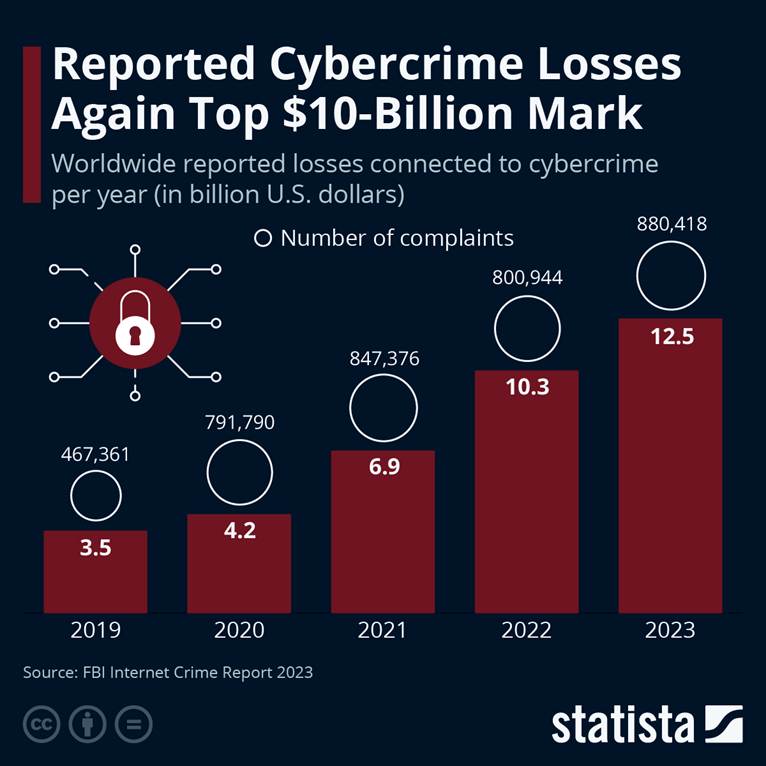
Global financial losses from scams are staggering. Reports from international consumer protection agencies suggest that tens of billions of dollars are lost each year to online fraud.
Some of the most common types of scams include:
- investment scams
- romance scams
- phishing attacks
- online shopping fraud
- job recruitment scams
Among these, investment scams typically cause the largest financial losses, sometimes costing victims hundreds of thousands of dollars.
The internet allows scammers to reach millions of potential victims at extremely low cost. Even if only a small percentage of targets respond, the profits can still be enormous.
For criminals, this creates a powerful incentive to continue operating these schemes.
Low Cost, High Profit Business Model
One of the key reasons scams are so widespread is that they require very little capital to start.
Unlike traditional businesses that require offices, staff, and inventory, many online scam operations need only:
- a computer
- internet access
- communication tools
- fake online identities
A scammer can send thousands of messages or emails within minutes. Even if only a few people respond, the financial reward may still be significant.
For example, if a scammer sends 10,000 phishing emails and only 10 victims respond, those few victims may still provide thousands of dollars.
This extremely high profit-to-cost ratio makes online fraud attractive to criminals.
Organized Scam Networks

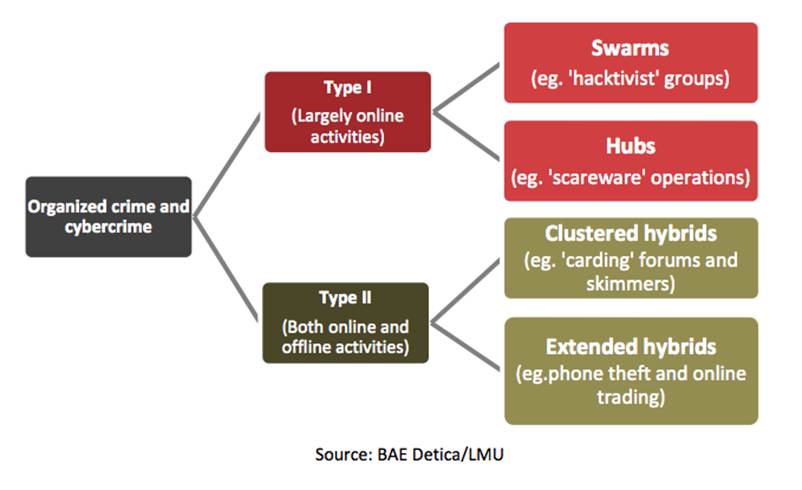

Many scam operations are not run by individuals but by organized criminal groups.
These groups often divide tasks among different members. A typical scam network may include:
- recruiters who contact potential victims
- script operators who conduct conversations
- technical staff who maintain websites and systems
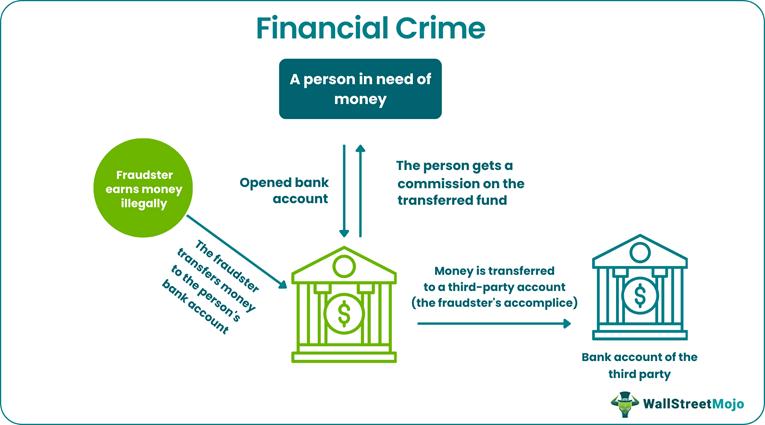
- financial handlers who move stolen funds
In some large operations, dozens or even hundreds of people may work together.
This structure allows scammers to operate efficiently and scale their activities to reach more victims.
Money Laundering Systems
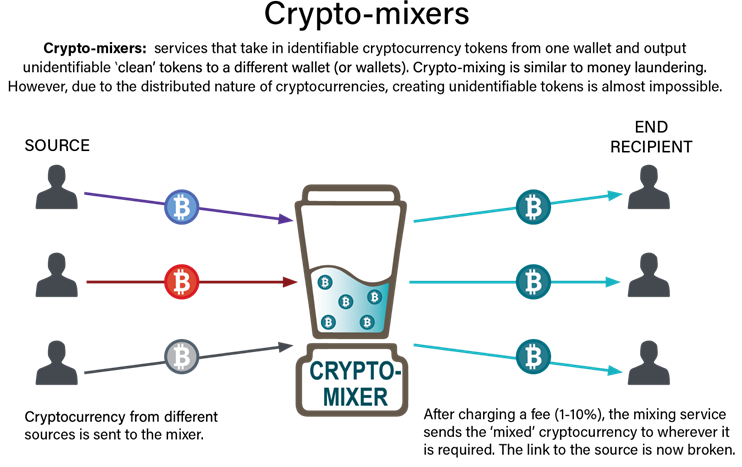
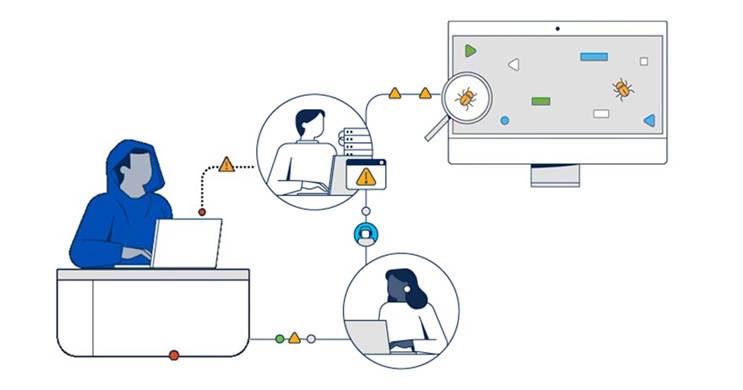

Once scammers receive money from victims, their next challenge is hiding the origin of the funds.
This process is known as money laundering.
Scammers often move stolen money through several channels, such as:
- cryptocurrency transactions
- international bank transfers
- online payment services
- prepaid gift cards
These methods make it difficult for authorities to trace where the money ultimately ends up.
In many cases, the funds pass through multiple countries before reaching the final destination.
The Role of “Money Mules”
Another important part of the scam economy is the use of money mules.
Money mules are individuals who transfer or receive money on behalf of scammers. Sometimes they are recruited knowingly, but often they are victims themselves.
Scammers may advertise fake job opportunities such as:
- “financial processing agent”
- “payment transfer assistant”
- “remote account manager”
Victims who accept these jobs unknowingly help move stolen funds between accounts.
This system helps scammers avoid direct involvement in financial transactions.
Why Scams Continue to Grow
Several factors contribute to the continued growth of online fraud.
First, the internet allows scammers to operate across international borders, making enforcement difficult.
Second, technology makes it easier for criminals to create convincing fake websites, emails, and online identities.
Third, many people are still unaware of the tactics scammers use, making them vulnerable targets.
As long as scams remain profitable and relatively low-risk for criminals, they will continue to evolve.
Prevention Is the Most Effective Defense
Although law enforcement agencies worldwide are working to combat cyber crime, prevention remains the most effective defense.
Public awareness plays a crucial role in reducing the success of scams.
Individuals can protect themselves by:
- verifying unexpected financial requests
- researching investment opportunities carefully
- avoiding urgent payment demands
- discussing suspicious situations with trusted friends or family members
Education and awareness significantly reduce the likelihood of becoming a victim.
Final Thoughts
Online fraud has grown into a sophisticated global industry driven by enormous financial incentives.
Scammers operate organized networks, exploit modern technology, and rely heavily on psychological manipulation to achieve their goals.
Understanding the economic forces behind these crimes helps explain why scams are so persistent and why criminals continue investing in them.
While authorities continue fighting cyber crime, the most powerful defense remains informed and cautious individuals.
The more people understand how scams operate, the harder it becomes for criminals to succeed.