
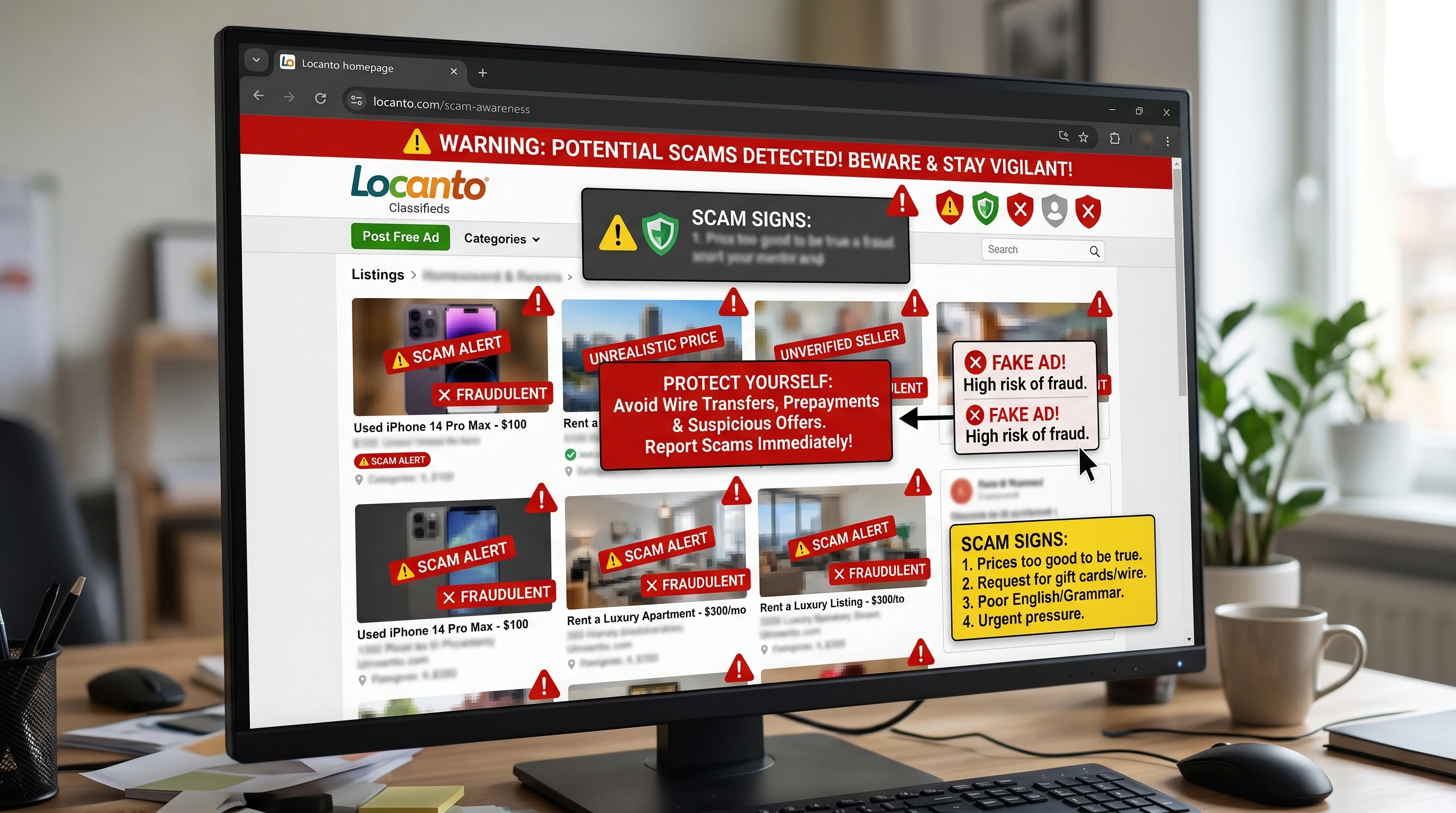
 Locanto is a popular online classifieds platform where people can buy, sell, or trade goods and services in their local area. Just like any open marketplace, Locanto carries some risks, especially when it comes to scams and potential threats. I’ve spent a fair amount of time using online classified sites, and I want to share what I’ve learned about detecting scams and protecting yourself on Locanto.
No one likes getting tricked online. Unfortunately, scammers are always coming up with new ways to take advantage of people looking for deals. When I use Locanto, I pay extra attention to signs that an ad or message might not be trustworthy. By being careful and informed, I believe anyone can have a safer, more positive experience using Locanto.
This guide covers the practical steps I use to spot scams, avoid threats, and keep personal information secure when dealing with Locanto ads and sellers. Whether you’re new to Locanto or have used it for years, these tips will help you feel more confident when buying, selling, or trading online. Let’s get into the details and make sure you’re covered from every angle.
Understanding Locanto and Its Risks
Locanto allows individuals and businesses to post free or paid advertisements for everything from jobs and vehicles to real estate and personal services. Because of its open-access nature, almost anyone can put an ad out there without going through strict checks. This makes it a tempting place for scammers to target unsuspecting users. I always remind myself that not every profile or listing can be taken at face value.
- Scammers can operate anonymously or pretend to be someone they’re not.
- Transactions often happen directly between two people, and there’s usually no oversight from Locanto.
- There’s a wide range of goods and services offered, some of which are easier to scam than others (like electronics or rental homes).
Knowing these risks helps me approach every transaction with the right mindset, staying sharp and prepared to check for red flags. Even regular users should take time to review the general landscape and keep an eye on the latest scam trends.
Main Types of Scams and Threats on Locanto
Not all scams look the same. Over time, I’ve learned to spot different types of schemes that scammers use on Locanto. Here are some of the most common:
- Fake Buying and Selling. Someone claims to offer a valuable item (like a phone or car) at a price that sounds too good to be true, then disappears after you pay them.
- Rental Scams. Listings for apartments or homes for rent may use photos from other websites, and the so-called “landlord” asks for a deposit before you see the property in person.
- Phishing Links. Messages or responses might contain links that try to trick you into entering your login details or personal information.
- Advance Fee Fraud. The scammer promises a shipment, job, or other opportunity, but asks for “processing fees” or “shipping money” upfront and gives nothing in return.
- Fake Job Offers. Some listings offer high pay for little work, but request your ID, resume, and other sensitive information only to misuse or resell them.
If I see any of these situations, I treat the communication with skepticism. Careful research helps buyers and sellers make informed decisions, and it always pays to look into claims by checking for similar stories online or asking around in user forums to track down potential repeat scams.
Spotting Fake Ads: What I Always Check
When I see a new Locanto ad, I use these tricks to see if it’s real. Here’s a breakdown of signs I look for when deciding if a listing might be a scam:
Price Seems Suspicious
- Items listed way below market value are a red flag. If an iPhone is selling for half what others are charging, I pause and ask why. A fair price is a key signal of a trustworthy deal.
- Luxury goods and electronics are frequent scam targets since many people want good deals. Doing a quick search for the average price can help you avoid sketchy offers.
Photos Seem Unusual
- Stock photos, images with watermarks, or photos that appear on other sites can signal a scam. I reverse-image search suspicious pictures on Google to check where else they appear online and sometimes find the same image linked to different listings.
Missing or Incomplete Details
- Legit ads give specific information: addresses, measurements, full product names or serial numbers. If the ad is vague (“Brand new car for sale, contact for details!”), I get cautious. I’ll always ask for more info, and if the response is still vague, I move on.
Pushy Urgency or High Pressure
- Scammers often pressure buyers to act quickly, saying things like “I have other buyers waiting, send money now.” Genuine sellers let buyers decide at their own pace, so take your time to look things over before agreeing to anything.
Ad Location Doesn’t Match Story
- If the seller claims to be in your city but their phone number or their story feels off, that could be a clue. I check if the address given makes sense for the offering, and I Google Map locations to see if they exist or look like the type of place being described.
Responding to Ads Safely
I take extra steps before communicating with someone on Locanto. Here are a few guidelines I follow to stay safe:
- Avoid Clicking on External Links. If someone sends a website link or document, I don’t open it unless I’m sure it’s legitimate. Phishing efforts often copy Locanto’s branding, so always double-check the real URL.
- Communicate through Locanto’s Platform Where Possible. Using the website’s built-in messaging, instead of moving straight to email or WhatsApp, helps limit the amount of personal information I share until trust is established.
- Use Strong, Unique Passwords. For my Locanto account, I use a password I don’t use anywhere else. That way, a breach in one place doesn’t put my other accounts at risk.
It’s also good to be careful not to overshare. If someone asks for personal details that aren’t needed for the transaction (like your birthday or home address before a meeting), don’t respond until you know the person is legitimate. If something feels odd, stop the conversation until you can verify who you’re talking to.
Arranging Meetings and Transactions: Safety Comes First
When a deal goes beyond online messaging, I pay close attention to where and how a meeting or transaction is planned. My best advice is to always keep your safety top priority:
- Meet in a Public Place. I choose coffee shops, busy parking lots, or even police station parking areas when meeting for a sale or purchase.
- Bring a Friend. I never go alone if there’s any hesitation about the other party, and I let someone I trust know where I’ll be and when to expect me.
- Inspect Items Before Paying. I look at the product in person to confirm it matches the ad, and I avoid paying deposits before meeting. If the item doesn’t check out, I walk away.
- Use Cash or Secure Payment Methods. If possible, I avoid wiring money or using payment apps that can’t help me get a refund if there’s a problem. I’m careful with large amounts, confirm a safe place to meet, and keep my phone handy just in case.
It never hurts to trust your instincts. If any detail doesn’t add up, it’s okay to call off the deal. Your safety and peace of mind come first, every time.
Protecting Personal and Financial Information on Locanto
Personal security is really important when using any online classifieds website. Here’s my checklist for protecting my details on Locanto:
- Don’t Share Bank or Card Details via Chat. Real deals happen in person or with a secure payment app—never by sending sensitive banking info over messages.
- Avoid Uploading Official Documents. I never send scans of my ID, driver’s license, or passport. If a buyer or seller asks for them, I treat this as a huge warning sign.
- Keep Emails and Phone Numbers Private. Whenever possible, I use the Locanto messaging system until there’s a good reason to share more direct contact info.
- Watch for ID Theft Red Flags. Any request for my identification up front makes me rethink the transaction. Scammers collect these details to open accounts or steal identities, and the damage can last a long time.
For peace of mind, I regularly check my credit report and set up alerts on my bank accounts. It takes only a minute to review recent transactions, and it could save hours of work if something goes wrong. If you feel your personal data has been compromised, act right away—change passwords, inform your bank, and get help from the authorities as needed.
Recognizing Common Scammer Tricks and Tactics
Having seen a lot of scams myself, I know that scammers often use similar tricks. Here are a few classic moves:
- Odd Payment Requests. Scammers may ask for gift cards, money orders, or wire transfers. I stick with cash or mainstream payment platforms that come with buyer protection.
- Unusual Storytelling. I’m suspicious if a seller describes being away for a family emergency or says the item must be shipped by a relative abroad. These stories are often an excuse to avoid meeting face to face.
- Grammar and Spelling Issues. Many scam messages are written in poor English or have strange phrasing. While not every error is a sure sign, a lot of mistakes together can be a warning.
- Too Good to Be True Deals. When a deal looks unbelievable, it often is. Even if I’m excited, I slow down and check the facts—real bargains rarely need to be rushed.
Sometimes scammers will even provide fake receipts, IDs, or other "evidence" to seem legitimate. If anything about the paperwork looks off, or if details don't match what's listed online, that's a reason to walk away. If you’re not sure, talk to other Locanto users or look up recent fraud reports—they can help you spot new or emerging scams.
Reporting Suspicious Activity to Locanto
When I come across something on Locanto that smells fishy, reporting it can help keep others safe, too. Locanto offers several ways to flag suspicious behavior or listings and smooth the way for others to avoid scams:
- I click the “Report Abuse” or “Flag” button on the listing or message.
- I can email Locanto’s customer service or use their web support form to describe the problem in detail and get the word out about specific users or tactics.
I include screenshots, the username involved, and a description of what happened, which helps their team take action faster. By reporting scams, I’m doing my part to keep the site safer for everyone and making Locanto’s user community more trustworthy.
What to Do if You Think You’ve Been Scammed
If I suspect I’ve fallen for a scam or notice suspicious charges or messages, there are steps I can take to reduce the damage and keep others informed:
- Stop Communication. I immediately stop messaging with the suspected scammer and block them from further contact.
- Change Passwords. I reset my Locanto password and any other accounts that use the same password, just to play it safe.
- Contact My Bank or Payment App. I let them know about the scam, which can help stop illegal transactions and flag unusual activity.
- Report to Locanto. I use the site’s reporting tools or email their support team to let them know what happened.
- File a Police Report if Necessary. For bigger losses or if I suspect identity theft, I file a report with local law enforcement. Documentation can help recover money, serve as evidence, and help authorities prevent future fraud.
Don't ignore small warning signs. Acting fast helps limit losses and puts a stop to scammers preying on others. If you’ve lost a large sum or shared sensitive information, consider reaching out to national scam hotlines or online fraud watch services for targeted advice and extra support.
Tips to Use Locanto Safely Every Time
Since being careful helps reduce problems, I stick to these tips whenever I use Locanto:
- Look up the true value of any item you want to buy or sell so you know what to expect. Compare prices using other platforms if you’re unsure.
- Trust your gut. If something feels off, there’s usually a reason. It’s better to walk away than risk a scam.
- Don’t rush into deals. Take your time and check information, even if a seller is putting on the pressure.
- Use cash for in-person sales, not prepaid cards or wire transfers. If needed, use payment apps that offer buyer protection and always double-check who you’re sending money to.
- Review Locanto’s official safety and scam prevention advice regularly for current tips. Their safety tips page is a great resource for staying up to date.
For even more peace of mind, consider setting up two-factor authentication on your email accounts and keeping your devices updated with the latest security patches. Scammers sometimes target weaknesses outside of Locanto, so covering your digital tracks is always a smart step.
Common Questions About Locanto Scams and Threats
Is Locanto safe for buying and selling?
I feel safer using Locanto when I double-check ads and only do in-person cash deals in public. Risks exist, but careful behavior helps limit problems. It can be safe if you follow smart procedures and never let down your guard.
How can I recognize if an ad is a scam?
- Look for vague details, below-market prices, stock photos, and odd requests for personal or financial data. Pressure to act fast is a giveaway, as is any reluctance to meet in person.
Should I avoid all online payment options?
Some online payment methods are safe, but I use ones with buyer protection and never send money to strangers outside secure platforms. Meeting in person with cash is often safer for high-value items, but if that's not possible, stick with services that let you get help if things go wrong.
What if someone asks for my ID or bank account?
Only landlords and employers need personal information for legal paperwork, and only after meeting face to face and confirming their identity. If someone I don’t trust asks for sensitive data right away, I don’t share it. If they keep insisting, I walk away from the deal—no deal is worth risking your identity.
Action Plan: Staying Safe on Locanto
- Before responding to any ad, compare details and photos with other online sources to check for inconsistencies.
- Meet sellers or buyers in public spaces and avoid transferring money for items you haven’t seen.
- Never share personal documents or banking info through Locanto messages, and avoid taking conversations outside the platform too soon.
- Keep all communication on the Locanto platform until trust is established.
- Report suspicious ads and behavior to keep the Locanto community safe for others. Don’t hesitate to reach out to support if you feel unsure about a transaction.
Following these steps helps me feel more secure in my deals and reduces the risk of being scammed or threatened when I use Locanto. By taking my time, sticking to the tips above, and using common sense, I believe anyone can enjoy the benefits of buying, selling, or finding services on Locanto without falling victim to scams. Stay sharp, stay safe, and keep making the most of what this platform has to offer.