
If you’ve ever browsed classifieds sites like Locanto, you might have stumbled upon personal ads covering everything from job offers to casual encounters. While some of these ads come from real people with real intentions, many can hide risks that aren’t easy to spot right away. In this article, I’m going to break down the risky side of personal advertisements on Locanto, share what I’ve learned from experience, and pass along practical tips for keeping yourself safe while online.
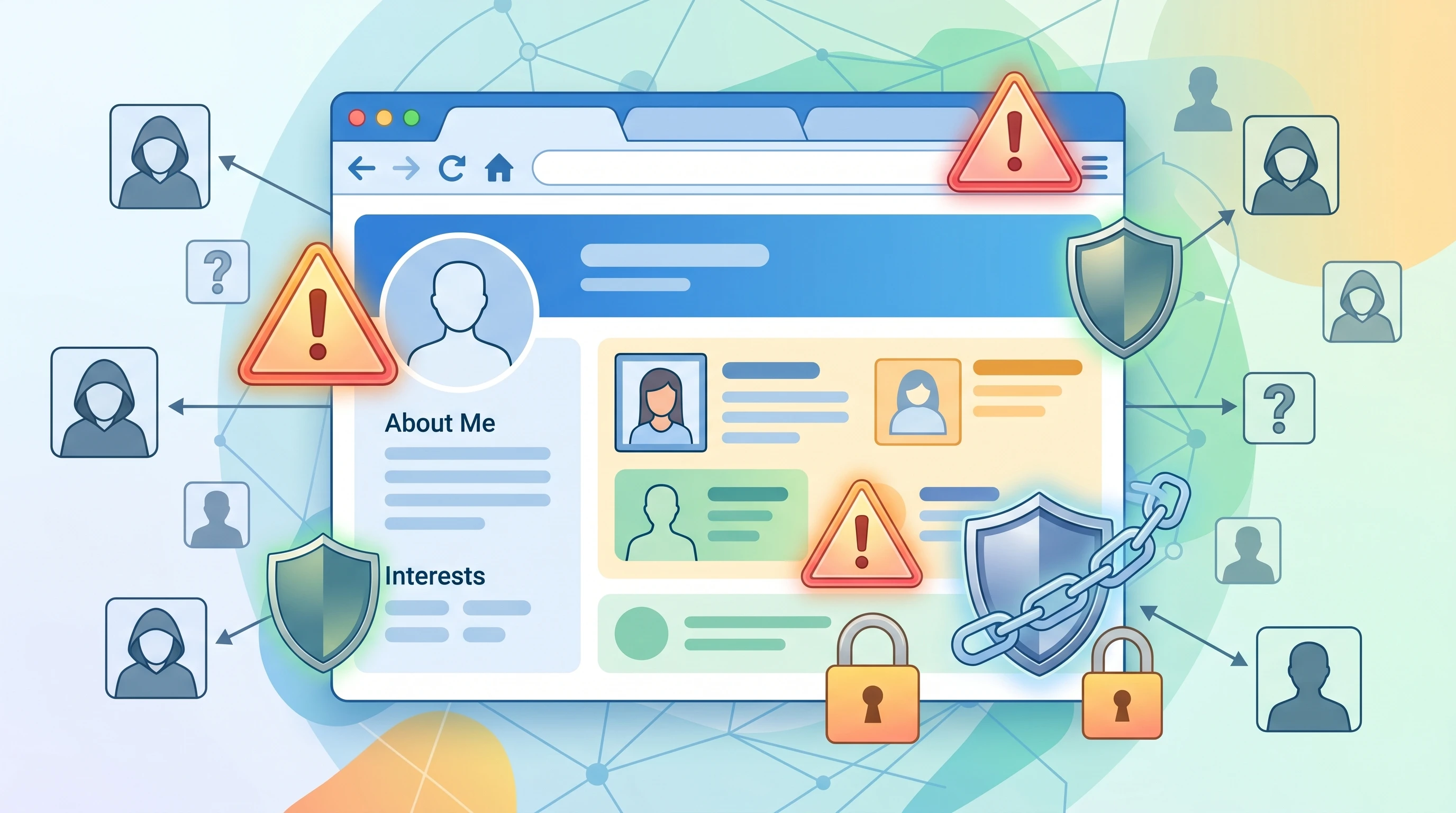
Why Personal Advertisements in Locanto Deserve a Closer Look
Locanto is one of the most popular classifieds platforms across the world, offering thousands of new listings every day. The site connects people for everything from finding accommodation to grabbing a bargain sofa or meeting new friends. The flip side is that the anonymous posting that makes these opportunities possible also attracts scammers, tricksters, and others looking to take advantage of unsuspecting users searching for something real.
I’ve seen countless stories from users—and even witnessed some myself—that remind us not all personal ads are on the level. Sometimes, the risk goes far beyond wasted time or a dodgy meet-up. Digging into the types of scams and underhanded moves hidden in seemingly harmless listings can help you keep your guard up on Locanto and similar platforms.
Recently, cybersecurity agencies have highlighted how a significant share of online scams actually get started on sites like Locanto, especially in the personals section. This is why being aware and prepared is crucial for anyone browsing these types of ads.
Understanding Common Hidden Threats in Personal Ads
While it’s important not to assume every ad is out to scam you, some patterns appear over and over. Here are threats I often see within Locanto’s personals:
- Phishing Scams: Ads prompt you to click untrustworthy links, which might steal your data or infect your phone or computer with viruses.
- Advance Fee Frauds: Impostors pose as sellers, buyers, or love interests and request upfront payments, gift cards, or sensitive info before any real meet up.
- Catfishing: People use bogus details and online photos to fake whole identities, working to gain your trust before fishing for money or private data.
- Blackmail: Once scammers get embarrassing details—sometimes just from your conversations or shared pictures—they threaten to expose you unless you pay up.
- Malware Traps: Some ads embed dangerous links or files; when you click or download, they quietly install ransomware or spyware without you knowing.
There are many more tricky moves, but the foundation is usually urgency, over-the-top compliments, or promises that sound too good to be true. In some cases, just responding can end up exposing your email or phone number to a list for future scams.
Recognizing the Telltale Signs of a Risky Locanto Ad
Learning to spot danger before you even respond can save you plenty of hassle. Keep an eye out for these classic warning signs in suspicious Locanto personal ads:
- Vague details—no clear info about who posted or exactly what’s on offer.
- Eye-catching images that look generic, photoshopped, or like they’re pulled from the internet.
- Contact hidden behind odd messaging apps, or pressure to move off of Locanto right away.
- Poorly written messages, or posts that sound rushed and push you to act fast.
- Offers seem outlandishly good, labeled as a “can’t-miss” or “unique” deal without evidence or explanation compared to similar listings.
- Requests for advance payment, ID pictures, or private photos before you can meet or confirm anything.
If you spot a couple of these signs, tread carefully. Your intuition will be your first line of defense—when something doesn’t quite line up, it’s probably smart to steer clear.
How Scammers Use Personal Ads to Target Victims
Scammers are pros at using psychology to make their ads pull you in. Here are some of their most common tricks:
- Preying on Loneliness or Curiosity: Many fake ads are tailored for people looking for company. Their messages come off as especially friendly and disarming.
- Social Engineering: With carefully chosen words and casual chat, scammers can get you to reveal your phone number, address, or more sensitive info.
- Stolen Identities: Often, scammers pose as relatable individuals—an immigrant, a single parent, or a hardworking pro—to build trust fast.
- The Empty Promise: Some ads dangle an overhyped job, date, or investment that sounds great but comes with little to no real detail, keeping you on the hook.
Once you engage, the scammer shifts gears—either pressuring for sensitive details, pushing you onto WhatsApp, or sending sketchy links that put your security at risk.
Smart Steps to Protect Yourself While Using Locanto
Practicing some simple habits can keep you from falling into trouble. Here are my must-follow steps for browsing Locanto personals:
- Stay Anonymous: Use a generic or throwaway email address, and don’t provide your main phone number until you’re convinced the other person is legit.
- Ignore Suspicious Links: Don’t click on anything from strangers—stick to trusted links only and avoid downloads sent by anyone you don’t know well.
- No Upfront Payments: If someone asks for money, deposits, or account details before you’ve seen proof they’re for real, move on.
- Message Safely: Keep the conversation on Locanto’s own messaging. Most scams want to switch platforms to dodge monitoring.
- Check Photos: If in doubt, pull their images into a Google reverse search to see if the same face pops up in a hundred different places.
- Meet Smart: Any first meet should always happen in a public spot, ideally with others around. Let a friend know the details, or have someone come along.
- Trust Your Instincts: If things start to feel strange or inconsistent in the conversation, don’t hesitate to end it.
Your best defense is staying present and cautious. You don’t have to be overly suspicious, but a little bit of patience and a quick gut-check can make all the difference.
Real-Life Scenarios: How Hidden Threats Unfold on Locanto
Often, the best way to stay sharp is by learning from what others have experienced. Here are real-world examples that have happened to people on Locanto:
- The Fake Roommate Deal: A hard-to-believe ad for a cheap room appears. When asked for a “reservation fee,” the scammer disappears with your money.
- Romance to Blackmail: You interact with someone charming, but every time you ask for a video call, there are excuses. Eventually, they ask for personal photos, and later threaten to leak them unless you pay up.
- The Bogus Job Offer: After you apply, you get a quick response with a remote job offer that pays well. They want you to pay a registration fee or share your ID and bank details; once you do, you’re ghosted.
I’ve seen many cases similar to these. Even if you’re careful, it’s easy to be caught off guard. Knowing what to look for can help you recognize trouble before it starts.
Breaking Down a Suspicious Ad: Practical Spot-Check Example
Here’s a specific example: I found an ad in Locanto’s personals that initially seemed ordinary. It was brief, had a smiley profile photo, and mentioned a nearby area—details that made it seem plausible. But on closer inspection, red flags began to show:
- The photo came up in reverse image searches all over the web and different countries.
- The language in the ad was a bit odd, like, “I seek for honestly person you,” which didn’t feel like how locals talk.
- After I answered the ad, the other person wanted to switch to another messaging service instantly, then shared a shortened, potentially risky link.
This is a textbook scam scenario. Just running a quick Google search on their image helped me dodge a likely phishing scam. Doing a spot-check takes almost no time but can help you avoid bigger problems down the road.
What to Do If You Think You’ve Been Targeted
If you ever suspect you’re dealing with a scammer after connecting on Locanto, don’t stress out—just act fast. Here’s what to do:
- End Contact: If things get uncomfortable, odd, or aggressive, cut off the conversation immediately.
- Block and Report: Use Locanto’s tools to block the user and report what happened. That way, moderators can address the problem.
- Change Passwords: If you think your info has leaked, update your logins for Locanto, email, and any other relevant accounts right away.
- Update Security: Run an antivirus scan, clean your cache, and reset cookies to help prevent future attacks.
- Contact Your Bank: If financial info is shared, alert your bank to look out for strange transactions or prevent trouble before it happens.
Reporting problems promptly doesn’t just help you—it protects others too. While Locanto moderators are trying to keep the platform secure, they often rely on users’ quick feedback to take action.
Helpful Resources and Official Advice for Staying Safe
Alongside smart personal habits, it pays to look at official advice from experts. Here are a few resources worth having on hand for extra protection:
- FTC: Phishing Guidance
- Action Fraud (UK)
- Have I Been Pwned (Check if your email was compromised)
- Locanto’s own Safety Tips
Checking these sites before you dig into new listings is an easy way to stay in the loop on the latest scams—and avoid plenty of headaches.
Frequently Asked Questions
Here are some common questions about Locanto personal ads that could save you trouble if you’re new to the site.
Question: How can I tell if a Locanto personal ad is real or fake?
Answer: Look for clear, specific details, use image search on the provided photos, and pay attention to any push for taking the conversation off Locanto. Real ads give information and never ask for private data or cash right out of the gate.
Question: What should I do if I’ve already sent money to a scammer?
Answer: Get in touch with your bank or payment service right away. Make a report to Locanto and your local consumer protection agency, and keep copies of your conversations for evidence.
Question: Is it safe to meet someone from a personal ad in real life?
Answer: It can be safe if you plan carefully. Agree on a public place, let someone know where you’re heading and who you’re seeing, and avoid giving away personal info before you meet. Bringing a friend along is always a good idea.
Final Thoughts on Navigating Locanto’s Personal Ads
Personal advertisements on Locanto can actually help you connect with new people or solve daily problems, but hidden risks are real and shouldn’t be skipped over. By staying sharp, trusting your instincts, and following the tips above, you’ll make your experience safer and much less stressful.
If you have your own tips or stories about strange ads, share them with others. Adding your advice or experiences in the comments can help the community keep trouble at bay—the better informed we all are, the safer the internet becomes for everyone.