
Online scammers are pretty resourceful. They’re always searching for payment methods that make their job easier and less risky. The Razor Gold Card keeps popping up as a favorite tool in the world of digital scams. If you’re not familiar with it, Razor Gold is a virtual credit service often used for gaming credits, digital transactions, and in-game purchases. But scammers have spotted some features here that suit their goals all too well.
What Is a Razor Gold Card and How Does It Work?
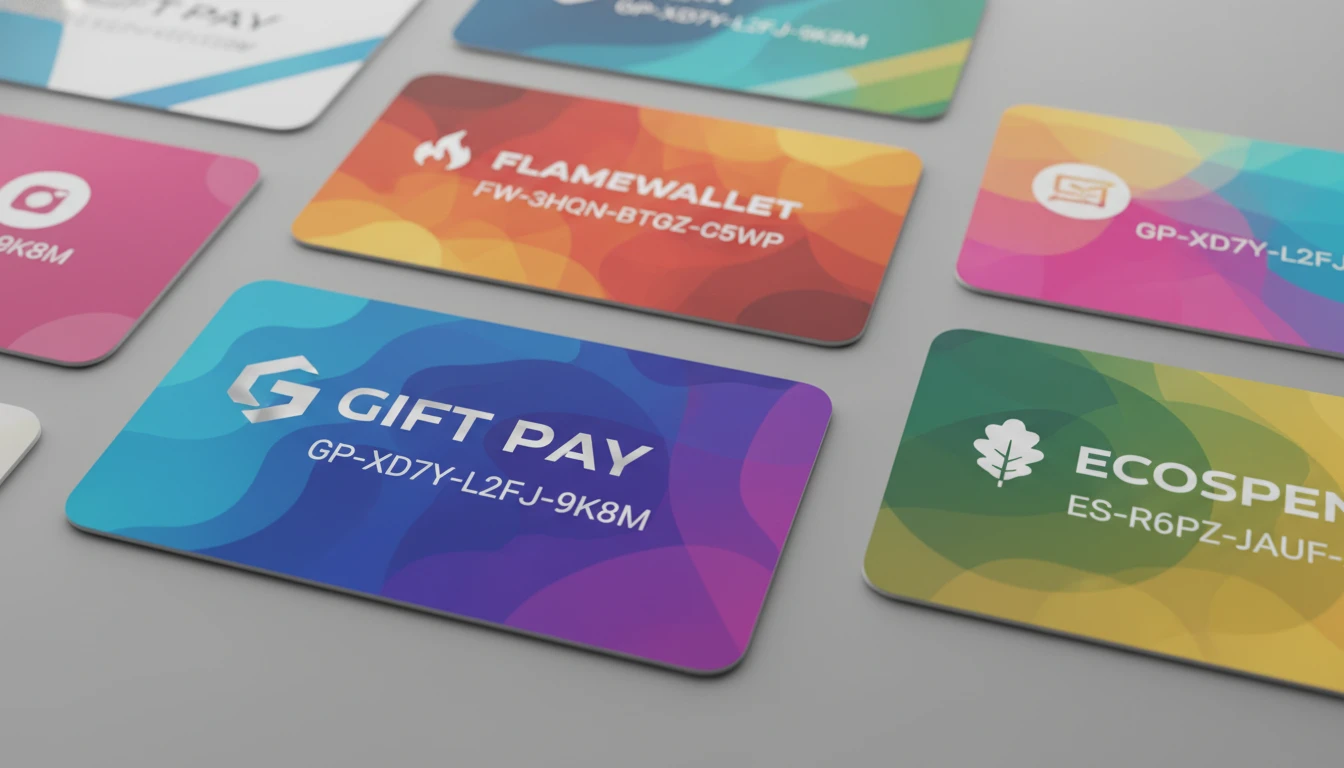
Razor Gold, sometimes called Razor Gold Pin or Razor Gold Gift Card, lets users load up credits to buy digital content. Think in-game skins, currencies, or even premium access. You can purchase these cards from stores or online, scratch off the pin, and load up your balance. The whole point is simple online purchases, especially in Southeast Asia and some other gaming markets.
The card isn’t tied to a bank account or strict ID verification. You redeem it by logging into your Razor account, entering a code, and immediately get the credits. It’s easy, quick, and usually with no paper trail attached.
This convenience is exactly what appeals to everyday gamers. It’s also why scammers keep going back to it. So, I’m going to break down the reasons why these cards are such a big draw for online scam artists. In fact, the design of this system, aimed at accessibility, lends itself a bit too well to manipulation if you aren’t careful.
Why Razor Gold Cards Attract Scammers
Scammers usually prefer methods that are anonymous, tough to trace, and hard to reverse once goods or money change hands. Razor Gold fits the bill in several ways:
- Anonymity: You don’t need to register with your real name or provide deep identity checks. This makes hiding their trail pretty straightforward for scammers.
- Fast Transactions: The pin system means funds get transferred instantly, and once a pin is shared, it’s almost impossible to cancel or reclaim it.
- Easy Conversion: Once a scammer has a Razor Gold code, they can use it for goods/services or resell it online at a discount for actual cash.
- Low Barrier to Entry: These cards can be picked up in dozens of stores and platforms. No complex accounts or documentation needed.
These features aren’t anything fancy, but together, they work out perfectly for anyone trying to stay hidden or avoid getting caught. The result: Razor Gold pops up time and again in online scam cases, especially in regions where it’s a popular payment method.
Another thing to keep in mind is that the giftcard market itself is not regulated as heavily as traditional banking. This means scammers can operate in gray areas where tracing transactions becomes nearly impossible for authorities. Combine this with how easy it is to buy, scratch, and redeem, and you see why scammers love Razor Gold.
How Scammers Use Razor Gold in Their Schemes
The most common use for Razor Gold by scammers is as a payment method during a fake transaction. Here’s how it usually plays out:
- Online Marketplaces: Someone shopping for a phone, gaming console, or electronics finds a deal that looks great. The seller refuses normal payments and insists on a Razor Gold card code. Once the victim provides the code, the scammer stops responding.
- Phishing and Impersonation: Some scammers pretend to be friends, government officials, or company reps and say Razor Gold payment is required for urgent bills, taxes, or emergency situations. Victims, wanting to help or avoid trouble, buy cards and give away codes.
- Gaming Scams: Kids and teenagers, in particular, might get duped by fake game account sellers or upgrade offers. The scammer says the credits or upgrades need to be paid with Razor Gold, collects the cards, and disappears.
Razor Gold is also popular on social media resale groups, where “buyers” or “sellers” constantly rotate. Scammers even cash out by selling these unused card pins at a lower price on unofficial third party sites. The official Razor platform doesn’t trace these aftermarket sales, which makes chasing down stolen pins very hard.
Even more concerning, some scammers have automated the harvesting of card pins through malware or fake Razor Gold websites. These websites look real but exist solely to trick people into entering their codes, which are then instantly stolen. This approach targets people who aren’t just falling for a simple sales pitch but may think they are redeeming their own credits on the correct platform—until it’s too late.
Traits That Make Razor Gold Appealing to Scammers
A few products are almost tailor made for trouble, and Razor Gold checks many boxes that scammers find attractive:
- Gift Card Model: As with most giftcards, ownership is transferred the second the code is provided. It’s just as if you handed someone cash, but even less visible.
- Global Reach: Since Razor Gold operates online and is accepted in many gaming stores and digital outlets, scammers can use or cash out their haul anywhere.
- No Recourse: Once a code is redeemed, there’s no getting it back. Razor customer service can’t reverse redemptions.
- Marketplace Popularity: Scammers follow the popularity. When lots of people use a digital currency, it’s easy to find buyers and sellers, both honest and not so honest.
The digital economy, for all the safety and security pitches made by service providers, can't always keep up. As card codes become more used across platforms, the incentive for scammers continues to grow. Users themselves must stay sharp so they don’t wind up as the next mark.
Warning Signs and Common Razor Gold Scams
Certain red flags keep showing up in cases where scammers use Razor Gold. Knowing what to watch for can save you—and your money—from vanishing into a digital black hole.
- Insisting on Razor Gold as the Only Payment Option: Most legitimate businesses don’t limit themselves to only giftcards for big purchases.
- High Pressure Tactics: Scammers push for payment fast. If someone says something like “I need Razor Gold right now or you’ll lose your spot,” be careful.
- Unusual Purchase Requests: A so called government agency, job interviewer, or tech support agent who asks for Razor Gold is almost always a scam.
- Fake Promotions and Contests: Offers that sound too easy, claiming you won, but need to pay processing or taxes via Razor Gold, are always suspect.
- Selling Card Pins at Big Discounts: Third party websites promising huge savings on Razor Gold pins might be selling already redeemed codes or using your payment to fund fresh scams.
Other schemes involve scammers creating fake accounts to pose as friends or family members, asking victims to urgently buy Razor Gold and send over codes. Sometimes, they pressure you with “act now” messages to keep you from thinking twice. Being aware of these tricks can help you keep your hard earned credits safe.
Protecting Yourself from Razor Gold Scams
These scams thrive because people aren’t always sure how they work, or how risky giving up a payment code can be. Here are some steps I follow to keep transactions safer and avoid falling into scam traps:
- Use Secure Marketplaces: Stick with official or trusted retailers when buying anything with Razor Gold. Marketplaces that offer dispute resolution make transactions safer.
- Never Share Codes: Treat your Razor Gold code like cash. Only share it with someone you 100% know and trust, and ideally redeem it yourself immediately after purchase.
- Pause When Pressured: Anyone insisting you act super fast with payment, especially using Razor Gold, is a big warning sign. Trust your instinct and double check before sending anything.
- Beware of Unofficial Resellers: Sites offering heavy discounts on digital currencies are risky. Fake codes or secondary sale scams can leave you with nothing.
- Educate Others: Talking openly with friends or family about these scams is super important. Many victims are new to buying digital goods or aren’t aware of how easy it is to lose a card code to a scammer.
It’s also wise to vary your payment methods and check seller ratings before buying anything online. Trustworthy sellers have feedback and don’t pressure you to use only Razor Gold or any specific digital currency. When in doubt, ask for details and look for independent reviews of sellers. The more you know, the harder it will be for scammers to take advantage of you.
Things Razor Gold Could Do to Make Scamming Harder
A lot of the responsibility falls on users, but the companies behind these cards can play a role in reducing fraud too. Here’s a look at steps Razor or digital currency providers could take:
- Improved ID Verification: Adding extra verification checks during large or suspicious card redemptions could weed out some scammers.
- Awareness Campaigns: More warning labels about scam risks on cards, websites, and apps help catch people at the point of purchase.
- Redemption Delays: A brief holding period or extra confirmation before credits are added gives victims time to report fraud if they were tricked into sharing a card code.
- Close Down Aftermarket Resellers: Blocking or flagging unofficial card resale markets, and working with local authorities, can slow down online scam rings that thrive on these sales.
While none of these steps are foolproof, even small changes can help make Razor Gold a little less appealing for scammers. Some other giftcard providers have started to roll out fraud detection tools, so there’s hope the gaming sector follows suit. In addition, layering in education at the point of sale and online portals would let users know the risks before completing a risky transaction. Collaboration with global internet safety groups can further help by sharing scam trends and improving response times to emerging threats.
Frequently Asked Questions on Razor Gold Scams
I get a lot of the same questions about Razor Gold scams. Here are a few common ones, along with straightforward advice.
Question: Someone selling me an online item wants payment in Razor Gold. Should I trust them?
Answer: This is risky. Most trustworthy sellers use standard payment processors. If they’re pushing only Razor Gold, you should walk away.
Question: What if I already shared my Razor Gold pin with someone and feel scammed—what can I do?
Answer: Contact Razor support right away, but if the pin was redeemed, there’s usually nothing they can do. It helps to file a report for tracking, but getting money back is rare.
Question: Can law enforcement track scammers through Razor Gold transactions?
Answer: Tracking is tough with anonymous giftcards. Unless the scammer slips up, it’s often impossible to trace or recover stolen credits or cash from card resales.
Question: Is buying Razor Gold from third party sites safe if it’s cheaper?
Answer: Not really. Official sites are the safest. There’s a real risk of getting used or fake codes from unverified resellers.
Question: How can I tell if a Razor Gold card is legitimate before buying?
Answer: Always buy from official outlets or retailers. Look for seals, check the packaging, and keep your receipts. If you find a deal that seems too good, step back and do a little research online for seller reviews.
Question: Is there a way to recover money lost to a Razor Gold scam?
Answer: Unfortunately, once a code is redeemed, recovery is nearly impossible. Reporting the incident quickly to both Razor and local authorities is still important because it contributes to broader scam prevention and could help stop the scammer from victimizing others.
Practical Advice for Online Safety
Digital payment methods are great for convenience and privacy, but they also need careful handling. I always suggest double checking before paying with anything that looks like a giftcard, reading up on common scam tactics, and learning from others’ experiences in online forums like Reddit or local consumer sites.
If something sounds too good to be true, or if a seller or “official” asks for payment in the form of a giftcard, it’s probably safer to move on. Staying informed is really important for avoiding the traps that make life so much easier for scammers.
Whenever I buy or recommend Razor Gold, I stick with official channels, talk through the risks with anyone I know who’s new to digital spending, and keep security top of mind. A little care goes a long way in keeping your funds, and your digital life, out of harm’s way. Stay proactive, keep an eye out for new scam trends, and remember: when deals involve giftcards or digital codes, it pays to slow down and check twice before making any moves.