
If you’ve spent any time researching sugar mummy connections online, you’ve probably seen a mix of promises, special offers, and sometimes stories that sound too good to be true. Sugar mummy matchmaking spans social apps, online forums, and even private agents. Just like with any other matchmaking service, there are plenty of approaches designed to get your interest, and often, to get your money. Based on what I’ve experienced and the stories I’ve heard, knowing the latest tricks and common approaches from so-called sugar mummies or matchmaking agents is really important so you don’t get caught up in something that drains your wallet.
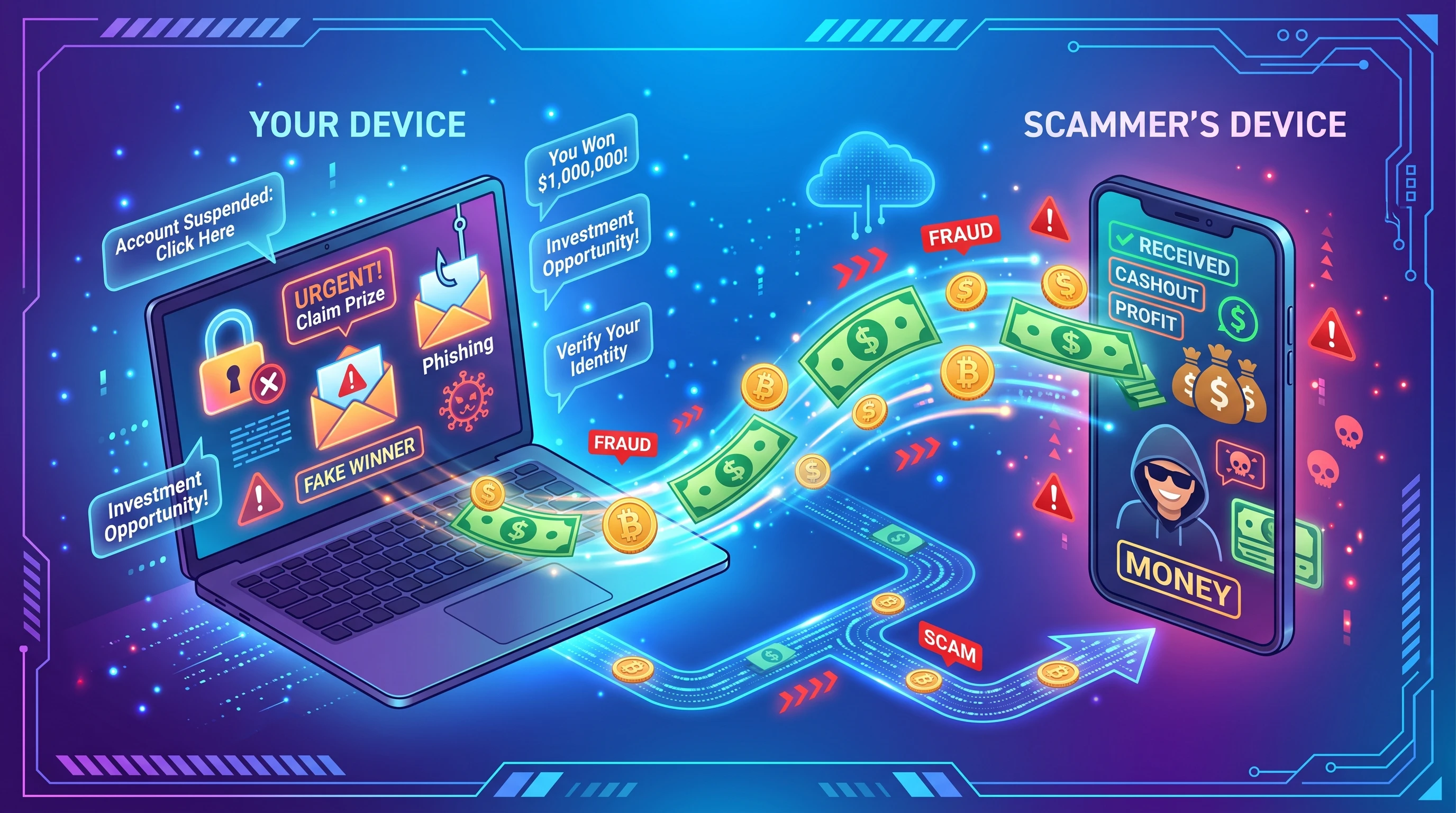
Understanding Common Sugar Mummy Hookup Patterns
Many people find the idea of connecting with a sugar mummy exciting, but it also makes them more likely to overlook warning signs. Sugar mummy platforms operate in a wide range of places, including WhatsApp groups, Telegram channels, Instagram pages, and websites dedicated to these connections. Most real connections follow straightforward paths, but there are many setups designed to play on emotions or offer fast rewards. Often, these setups seem nearly believable until the moment something feels off.
Typically, these approaches work because they build an atmosphere of trust quickly. The more private the conversation gets, the less likely someone is to double-check the information being exchanged. I’ve seen requests for payment, urgent requests for personal details, and others that use romantic language to soften suspicions. Keeping an eye out for these moves goes a long way. I want to break down the newest approaches I’m seeing right now so you can steer clear of traps.
Popular Sugar Mummy Tricks Used Today
Scammers and real agents alike have tweaked their tactics in recent years. Some of the most common tricks include offering quick hookups in exchange for a "little gift" or a registration process that feels official. Here are the methods I’m noticing most often:
- The Gift Trick with No Registration Fee: Instead of asking for registration fees, the agent tells you to send a gift to the sugar mummy before the first meeting. They insist the agent will handle the delivery of the gift and claim it’ll cost less than $100. This approach works because it feels less risky than paying a fee, and the amount doesn’t seem unreasonable. In reality, the agent just pockets the gift money and often vanishes.
- Pay to Register Directly with the Sugar Mummy: In this scheme, there’s no agent. However, the sugar mummy herself (usually a scammer) asks for a direct payment of $500, calling it a registration process to record and approve your details. The idea is that it’s a one-time step for supposed security, but after payment, the connection usually disappears or demands more money.
- Upgraded VIP Packages: Some agents offer "VIP" introductions promising wealthy and very generous sugar mummies. These typically include tiered membership packages, with supposed benefits for higher payments. The benefits rarely appear, and after the first payment, there are often extra charges said to be for background checks or fast-tracking your hookup.
- Emergency Requests: After gaining your interest, the sugar mummy or agent claims an emergency happened, like needing extra cash to finalize travel plans, handle medical bills, or secure the booking of a safe location. The urgency preys on empathy and fear of missing out.
- Fake Chat and Romance Building: Some setups involve chatting for days or weeks, building up interest and even affection, before suddenly switching up to requests for money. These can look especially convincing because the relationship seems real until the moment payment is mentioned.
Common Entry Tactics and Approaches
If you’re new to this network of sugar mummy connections, the entry tactics can be confusing. A common route starts with public advertising on forums, free classified sites, or Facebook groups. From there, you’re usually directed to message a private agent or join a messaging app group. Here’s how it typically unfolds based on what I and others have encountered:
- You’re told you’ve matched with a sugar mummy, but immediate action is needed; either a gift, a registration fee, or sharing sensitive information.
- The scammer encourages a quick decision before you have time to research or think things through.
- You receive sample photos (often taken from stock sites) and sometimes fake chat logs showing others who supposedly succeeded with the process.
- Newcomers are reassured with fake testimonials, or even video chats where the other person is not who they say they are.
These initial steps may not always lead to outright scams, but many are simply misleading sales tactics. Still, once I spot these patterns, I know to tread carefully and keep my guard up, remembering that time works in your favor when something feels rushed.
Recognizing Red Flags and How to Respond
A few details consistently pop up in sugar mummy tricks. Recognizing these patterns early can help you avoid disappointment or bigger problems. These signs stand out to me after repeated contact with agents or supposed sugar mummies online:
- Requests for fast payment: Most real arrangements don’t start with money changing hands before any real-life meeting or conversation.
- Promises that seem too good to be real: If someone claims they’ll pay you huge money before even talking face to face, that’s always a warning sign.
- Third party agents handling everything: While some real matches use agents, most personal arrangements come from direct conversation, not middlemen who demand fees for every step.
- Pushback if you ask questions: If the other person or agent seems irritated or evasive if you push for details or ask for proof, that’s a clear sign something isn’t right.
- Reluctance to meet in public or over video: Most genuine people don’t mind confirming their identity through personal chat or public meeting first.
I always suggest slowing down if you see these signals. Taking an extra day to check for other complaints online or talking it through with a friend can make a big difference when there is pressure to decide fast.
A Quick Guide to Avoiding Common Sugar Mummy Scams
Trying to find your way around sugar mummy connections might feel overwhelming, but sticking to some basic principles can keep you safer. From research and first-hand stories, here’s what works best:
- Do Your Own Research: Before sending any gifts or fees, run a search online for the agent or sugar mummy’s name, phone number, or even sample messages. Many scam reports pop up with quick Google or forum searches.
- Insist on Public Conversation First: Ask to exchange messages or meet using safe, established apps before sharing any payment or private contact details. Those genuinely interested will agree without hesitation.
- Never Send Money First: No matter how small the amount seems, real relationships or connections will not require payments up front. Avoid agents who insist that fees, even small ones, are required to start.
- Be Skeptical of Urgency: If anyone pressures you to act right away, it’s better to slow the conversation down. Real opportunities don’t disappear overnight.
- Watch for Fake Profiles and Testimonials: Most scammers use stock photos, heavily edited images, or recycled stories. If the same image or clip appears on multiple ads, it’s probably not from a real sugar mummy.
I’ve seen people dodge big online losses by sticking to these basics. Sometimes, a quick message to a friend, or simply walking away, is enough to keep you safe. Nothing beats trusting your intuition when something doesn’t feel right.
Challenges People Face in the Sugar Mummy Scene
The world of sugar mummy matchmaking may sound like a fantasy for some, but it comes with actual hurdles that many don’t consider at first. Here are some of the big ones I keep running into, both online and through personal accounts:
- Pressure to Impress: Many agents or mummies nudge newcomers to send lavish gifts or make public posts, making them feel pressure to look important. This often leads to spending more than planned before real progress is made.
- Difficulty Verifying Identities: It’s harder than you’d think to confirm who you’re even talking to. Many use filters, paid models, or voice changers to hide their real identity.
- Risk of Private Info Theft: Some approaches push for not just money, but also for sensitive personal data or pictures. Once shared, these can be used for future blackmail.
- Confusing Payment Processes: The process is often broken into many small steps; gift, then background check, then account activation, so you lose track of actual payments over time.
- Cultural and Legal Uncertainty: Sugar mummy hookups may be legal in some places and frowned upon in others. Not understanding the local laws or social risks can put newcomers in tough spots.
Looking closer at these challenges, it’s clear that honest conversations and a slow approach work better in the long run. Staying sharp about pressure tactics really pays off and keeps you more confident.
The "Gift Before Hookup" Angle
This trick is popular across many platforms and often seems more reasonable than demanding direct fees. The agent or sometimes even the sugar mummy says there is no "registration fee," so you relax. Instead, you’re told to choose a small gift, "under $100," and send it as a demonstration of good faith. The agent says the gift ensures the sugar mummy is serious and ready to meet. In reality, the item or payment goes straight to the scammer, with no further reward. This is so common now that most platforms warn new users about it. I know from my own experience that once you send a gift, the demands often increase, or the agent stops responding altogether and you’re left searching for answers.
The "Agent Free Registration Payment" Approach
Some approaches now skip the agent and put you in touch (virtually) with a supposed sugar mummy directly. Everything feels smoother and more personal. Then, at the last minute, you’re asked for a $500 "registration fee" to prove you’re "serious." Supposedly the money is just for official records. Once paid, though, all the personal connections and promises suddenly fade, or the sugar mummy comes up with new fees for "final approval." This technique uses confidence and quick rapport to make you feel like your money is safe. From the stories I’ve heard, almost nobody gets any real connection this way, and the money is gone for good, never to return.
What to Do If You Suspect a Sugar Mummy Scam
If you catch on that something feels off during the connection process, it’s good to have a plan. I always go for these steps if I get suspicious:
- Pause all payments and communication. Giving yourself even an extra hour to think clearly can stop big losses.
- Check the person or agent’s contact info on scam reporting or consumer protection websites.
- Share your experience with friends to see if they notice the same red flags or have heard similar stories.
- Contact your payment provider if you’ve already sent money. Sometimes you can stop a transfer or report a scam for possible recovery. Acting fast is key here.
- Report the scammer or suspicious profile to the app or site admin. Helping others avoid the same trap can make a real difference within those platforms.
I’ve seen that talking about scams or even near misses removes shame and often helps others steer clear too. Sometimes, reporting also helps authorities trace bigger fraud networks behind these schemes and keeps the community safer.
Real-World Examples and Warnings
Every year, forums and complaint boards fill up with detailed stories about sugar mummy approaches that went bad. For example, someone joins a group on Telegram, is quickly paired with a "wealthy mummy," and just before meeting, is told to send a smartphone or cash gift for less than $100 through an agent. The money disappears, and the supposed mummy’s profile is deleted a day later.
Another example involves someone who spends weeks chatting and feels a real connection, but is then told by the sugar mummy that they need a $500 processing fee to "finalize" their hookup record. The pressure is high, using phrases like "I chose you because you seem different." Once the money is sent, the communication stops as if nothing ever happened. This story plays out again and again in complaint sections online, showing how easy it is to get emotionally invested and then caught off guard.
Authorities have noted that some setups target particular regions or countries, following popular payment methods or local customs. Double-checking is never a waste of time. Even if someone says their process is "different," the core scam patterns often stay the same, only changing small details to fit the latest trends or platforms.
Common Questions About Sugar Mummy Approaches
Over the years, I’ve heard a lot of the same questions from people new to this scene. Here are some straightforward answers to the most common worries:
Question: Is it normal to be asked for a gift or registration payment before meeting a sugar mummy?
Answer: In genuine arrangements, personal meetings and conversations usually come long before any request for payment or gifts. Most real sugar mummies are looking for ongoing value, not up front fees or proof in the shape of presents.
Question: Can agents arrange for gifts safely, or is that always a scam?
Answer: Agents that insist on handling gifts themselves usually want to pocket your money. Real introductions don’t require gifts to start a conversation or to secure a meetup.
Question: If I’ve already paid for a registration or a gift, can I recover it?
Answer: It’s rare, but possible if you move quickly and your payment method supports refunds for scams. Reporting the fraud to authorities is always a smart move, even if the money can’t be recovered right away. Card providers and payment apps sometimes offer protection if claims are made soon enough.
Question: What’s the best way to verify if a sugar mummy profile or agent is real?
Answer: Try reverse searching their photos and cross-checking details on several platforms. Genuine people won’t resist a quick video call or public exchange before moving to private chats or payment requests. Also, check for consistency in their stories and whether they provide public social media links or not.
Practical Advice for Safer Sugar Mummy Connections
Being smart about sugar mummy interactions is just like being cautious with other online matchmaking. Here are a few quick reminders that have really worked for me and for people I know—keeping these habits in mind has spared me and friends from headaches:
- Never feel pressured into hurrying. Those who persistently rush you, especially around money matters, often have something to hide.
- Stick to mainstream or widely reviewed platforms at first. If someone asks you to switch to a little-known app, be cautious; check independent reviews and ratings before moving over.
- Keep conversations and first meetings public. Most reputable sugar mummies will have no problem with casual, public introductions before things get private.
- Don’t share your home address, financial documents, or sensitive pictures until you’ve met in person and have built some trust. Stay vague about work, school, and other details until you’re absolutely sure of the connection.
By keeping these practices in mind, it’s possible to sidestep many of the most common sugar mummy tricks. This also helps make sure that any connection made online is positive, genuine, and drama-free, no matter what platform or agent you cross paths with.
It can be tempting to believe everything you see, but patience and a little skepticism go a long way in protecting your wallet and your peace of mind. There are real people looking for honest sugar mummy relationships, but the scams often make it tough to spot what’s legitimate. Stick to these tips, and you’re much more likely to enjoy your adventure without regrets.