
Fake accounts are a fact of life on major social media platforms such as Facebook, TikTok, X (formerly Twitter), and YouTube. Nearly everyone knows these profiles exist everywhere, yet the platforms haven’t put strong blocks in place to keep them from registering or posting. It leads many online users—including me—to keep asking why these companies avoid a strict policy of requiring everyone to prove their real identity. Scammers, spammers, and bots can do serious damage, so it’s natural to wonder why more thorough checks aren’t the norm. Let’s jump into the core reasons why social media platforms don’t filter out fake accounts and continue to make registration accessible to pretty much anyone.
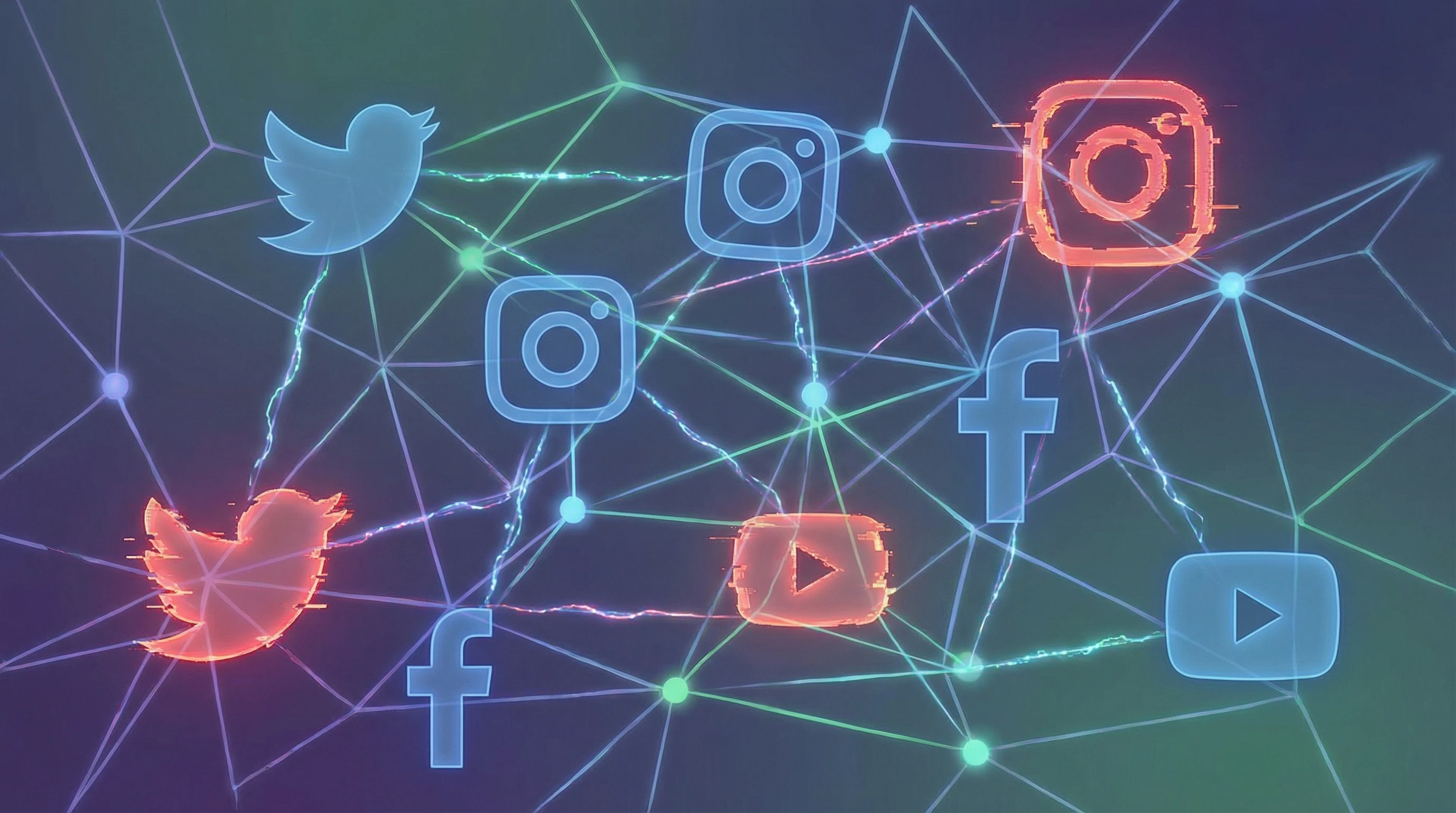
Understanding the Prevalence of Fake Accounts on Social Media
Fake accounts are now woven into the fabric of our online experience. Whether it’s obvious bots posting questionable links, users pretending to be celebrities, or scammers crafting elaborate schemes, fake profiles are everywhere. From my own time online—constantly coming across spam and reporting bots—it’s crystal clear that these accounts are anything but rare or new.
The sheer numbers are eye-opening. For instance, Facebook has admitted that up to five percent of its monthly active users could actually be fake. Other platforms like X, TikTok, and YouTube face similar problems, juggling billions of accounts each day. These fake profiles multiply in part because there’s little consequence for setting them up, and automation and software make it fast and simple to register dozens or even hundreds with little effort.
If everyone is aware that fake accounts are a major problem, why are platforms so hesitant to step up their checks with stronger requirements at sign-up, such as proving your identity with an official document?
Why Platforms Don’t Require Rigorous Real-Name Registration
One of social media’s biggest draws is how easy it is to join. Usually, all you need is an email or phone number. If joining meant a drawn-out, document-heavy sign-up, a lot fewer people would stick around to actually complete the process.
Social media giants need user growth to stay competitive. Making new folks upload IDs or jump through extra hoops might discourage people from joining altogether, especially casual users who just want to browse or follow their favorite musician. In the battle for new users, every extra step in signing up means more potential members drop out—possibly switching to an alternative platform that’s less strict.
This issue is about more than convenience. Some users genuinely depend on anonymity for their safety. Activists, journalists, whistleblowers, or anyone worried about political retaliation or harassment may need to hide their identity to participate. Strict real-name rules could put these users at risk.
The Business Model: Growth, Engagement, and Revenue
User numbers drive the business of social media. Bigger audiences attract more advertisers, boosting revenue. Every quarter, the leading platforms boast about their number of active users, knowing that advertisers care more about reach than whether every profile is one hundred percent authentic.
It’s worth mentioning that companies reporting bigger numbers have a leg up in investor and partner deals, even if some percentages are fake accounts. As a result, there’s little incentive to crack down hard. Early-stage startups also quietly benefit from inflated user counts; it helps them look more successful right out of the gate and triggers network growth. Usually, platforms only start to get serious about pruning fake accounts when they hit maturity or face legal scrutiny from regulators or the public.
Some companies worry about the backlash if authenticated IDs were required for all accounts. Even if identifying every user would cut back on scams, it would mean slower growth, a smaller community, and possibly lower ad revenue.
The Technical and Practical Challenges of Filtering Fake Accounts
Filtering out fake profiles is far from easy. Most platforms use a blend of automated tools and human review teams to spot bots, spam, and imposters, but scammers keep flexing new tricks. AI technology helps, but the problem is still massive and changes constantly.
If you’ve ever reported an account, you know the process isn’t always straightforward. Platforms are dealing with scale—billions of accounts and millions of actions every single day. Hand-verifying every signup isn’t practical. Automatic checks can catch tons of fakes, but these tools aren’t perfect. Sometimes genuine users are wrongly flagged, and many fake profiles slip through undetected.
That balance between clamping down on fraud and preserving a smooth user experience means fake accounts will always be around to a degree. No system is airtight or free of errors, especially when the rules keep changing and scammers stay a step ahead.
Legal and Privacy Considerations
Privacy laws play a giant role in why platforms don’t universally demand ID verification. In many regions, laws specifically allow or protect an individual’s right to use the internet anonymously. The European Union’s GDPR, for example, puts tough rules on data collection and handling, making platforms hesitant to collect and store IDs or sensitive documents.
Asking for documentation opens up more risk in case of a data breach, putting both users and platform reputations on the line. If a hack exposes a cache of IDs, it could enable identity theft or blackmail on a global level. This makes platforms as well as users deeply cautious about ID requirements.
There’s another layer, too: different countries have totally opposite attitudes. Some governments want tighter rules for online identity to stop crime and misinformation, while others fight for looser regulations to preserve privacy and encourage free speech. For social media companies serving a global community, it means adapting to a patchwork of expectations, laws, and local customs everywhere they operate.
Community and Free Speech Concerns
Pushing hard for real names can discourage debate and creativity. Many corners of the internet prize pseudonyms and alternate identities as tools for sharing tough stories, exploring politics, or discussing personal issues without risking their reputation or safety in the offline world.
For teens figuring out their identities or people facing social stigma, stopping them from using alternate names could kill honest conversation or self-expression. From watching online fan and hobby groups, I know many people would abandon social platforms if ID rules got tight, especially people in marginalized, vulnerable, or creative communities.
Fake accounts aren’t all bad, either. Some serve as parody pages, run fan clubs, or help roleplay for tired users looking for some fun. Social platforms know this and don’t want to lose vibrant communities just because of a strict policy against anything "fake." It’s about more than just protecting against scams.
The Downside: Scams, Abuse, and Loss of Trust
Still, leaving fake accounts unchecked leads to trouble. Spam, scams, and abusive behavior can grow rapidly, putting regular users at risk and eroding trust in the platforms overall. Over time, I’ve witnessed friends and family tricked by social media scams or harassed by anonymous trolls with throwaway accounts.
Social networks face a real tension. Tightening signups could frustrate users, slow growth, and shrink their reach, but being too relaxed leads to widespread fraud and public anger. Often, platforms focus on obvious scams and PR disasters, not the everyday fake users flying under the radar.
Advertisers and marketers are starting to raise red flags of their own, complaining that paying to promote products to fake profiles eats into their returns on investment. Some are demanding more accurate reporting, which could finally push companies toward making stricter detection the norm down the line.
What Are Platforms Doing to Address the Problem?
Major social networks aren’t just ignoring fake accounts entirely. Most use a combination of AI-driven spam detection, user reports, and waves of sweeping account removals. Facebook famously removes billions of fake accounts every year. TikTok and X apply machine learning to spot suspicious accounts and quickly suspend them.
Platforms offer verification badges and twofactor authentication as ways to give users more confidence, but rarely as mandatory steps for creating an account. Scammers keep finding loopholes, and the platforms usually roll out stricter measures only in response to scandals or new legal threats.
Occasionally, around elections or global news events, platforms temporarily double down on catching fakes and bots, focusing efforts on threats to integrity or fairness. These moves show that stiffer rules could work, but they often end up as stopgap solutions rather than permanent fixes.
If Due Diligence Happened at Registration, Would Scams Go Down?
Requiring a scan of your ID or a government document at registration would make life a lot harder for scammers and bots. Messaging apps in some countries already use this strategy, showing that strict rules do curb outbreaks of fraud.
But there’s a huge tradeoff: many legitimate users would bolt at the idea of turning over personal documents. Regions with weak access to official IDs could see entire populations locked out. It raises worry, too, about who controls or accesses your private info—and how it might be misused or mishandled.
The security benefits are clear, but it would limit openness and diversity, possibly pushing social conversations into private or underground spaces.
Some Countries Are Pushing Back
Worldwide, the story is mixed. Some governments, like those in South Korea, China, or certain areas of India, require real-name registration for online interactions. Their goal is to make users accountable, tamp down on hate speech, and cut out fraud.
Has it worked? Sometimes. Scams and spam often go down, but these gains come at a cost: people become quieter, free speech drops, and the web risks losing voices that challenge government or social norms. Real-name rules also create new hazards in authoritarian environments.
User Safety and Education: The Best Defense for Now
Because fake accounts aren’t vanishing any time soon, platforms often place responsibility on users. They share tips to help people spot questionable profiles, offer scam warnings, and encourage twofactor checks. I always recommend staying skeptical of suspicious messages—doublecheck before sharing info or clicking links, no matter how legit it looks.
Settings like making profiles private, adding twofactor authentication, and reporting shady accounts all help individuals stay safer. While platform actions matter, most daytoday protection comes down to users keeping their guard up.
User FAQs on Fake Accounts and Platform Policies
From all my time using the big platforms, here are some common questions I get about fake accounts and why they stick around:
Question: Why don’t platforms require everyone to prove who they are?
Answer: Asking for real names or IDs could block tons of new users and send people to other networks. Plus, it stirs up major privacy fears in many places.
Question: Are fake accounts always used for scams or spam?
Answer: Not every fake is shady. Plenty serve as fan pages or satirical accounts, but a big slice are built for spam or fraud.
Question: How can I spot a fake profile?
Answer: Keep an eye out for weird usernames, little to no activity, stock photos, or requests for money and personal details. Always report if you’re unsure.
Question: Has regulation reduced fake accounts anywhere?
Answer: In countries where real-name policies are the law, scams often drop, but so does free speech and user privacy.
Question: What steps can I take to avoid falling victim to fake accounts?
Answer: Use privacy settings, don’t overshare, be careful with links, and rely on twofactor authentication to increase your defenses. Reporting and blocking bad actors helps keep the community safer for everyone.
Looking Ahead: What’s Next for Real Identity on Social Media?
Social networks face a delicate balancing act: maintaining privacy and fast signup, growing their base, meeting legal requirements, and responding to everchanging security threats. With AI tools improving every year, platforms may get better at catching fake profiles without locking out real users, but a perfect fix hasn’t surfaced yet. The tension between openness and security isn’t fading; it’s just becoming more complex.
For now, fake accounts are considered just one of the costs of running a global social platform. Unless laws shift or public outcry tips the scale, platforms are set to stick with open registration and simple signups for the foreseeable future. Smart user habits and incremental tweaks to platform rules make things safer, but fake profiles aren’t likely to disappear any time soon.