
Stock investing scams have found a new place to hide, and Telegram is at the center of this trend. If you’ve come across those Telegram channels or group chats promising “guaranteed profits” in the stock market, you’re not alone. These so-called sure profit investing groups are everywhere now, and they attract both new and experienced investors who want to make quick gains. In this article, I’ll guide you through why scammers prefer Telegram for these schemes, how the scams work, and what to look out for so you can protect yourself and your money.
Why Scammers Are Drawn to Telegram for Stock Investing Scams
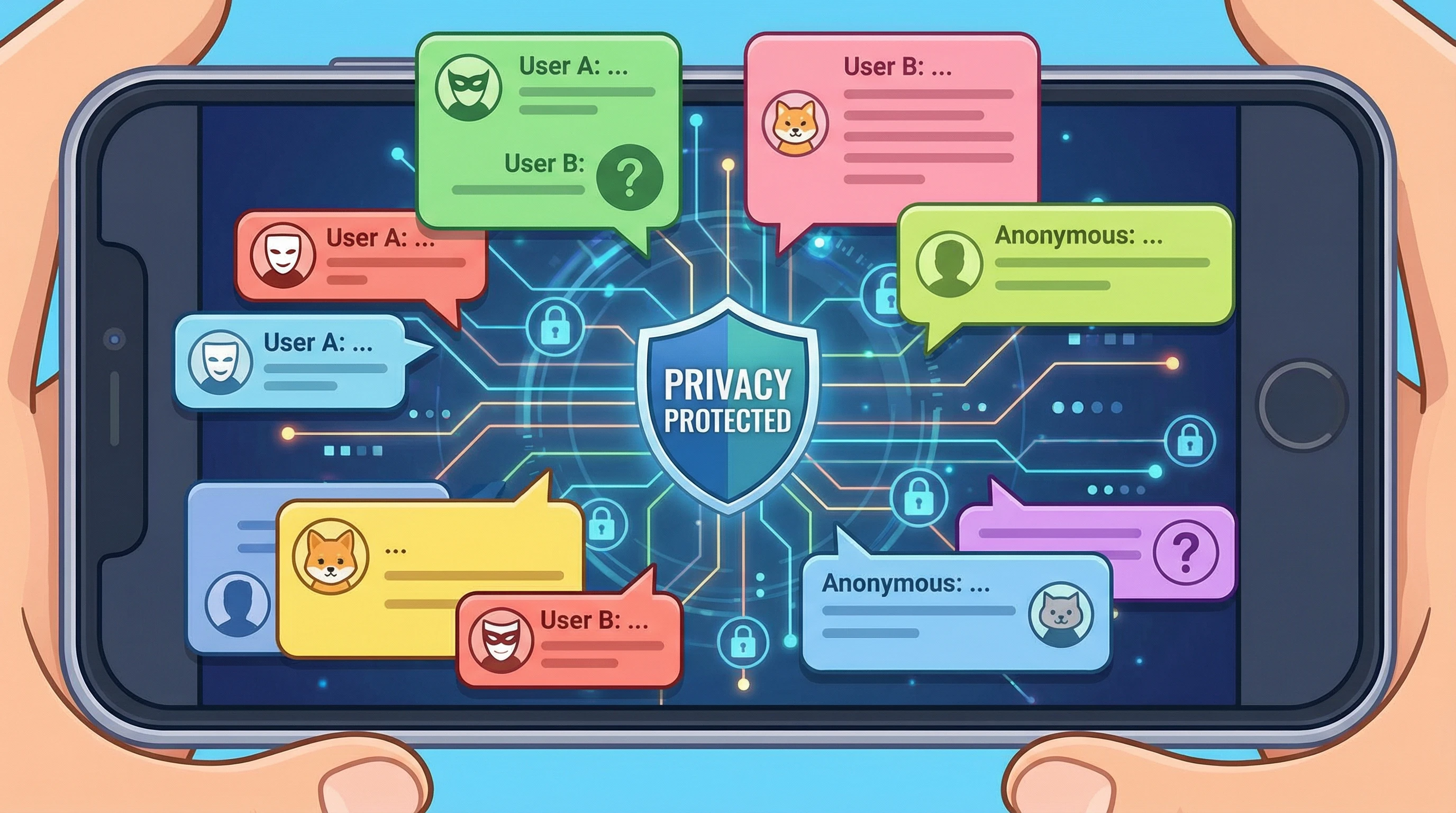
Telegram has become a favorite tool for scammers, and that’s not by accident. As someone who spends a lot of time researching online fraud, I’ve noticed that Telegram offers several features that are really appealing to people running investment tricks. The app’s privacy settings, the way it handles user data, and the ease of running large groups make it an ideal choice for shady activity. These features are great if you care about privacy, but they also create space where scammers can work with little risk of being caught or shut down quickly.
Unlike platforms like Facebook, Twitter, or traditional websites, Telegram allows anyone to create channels and private groups with just a few taps. There’s no official identity check required and, as long as someone has a mobile number, they’re good to go. Even if one group gets reported and removed, a scammer can make a new one almost instantly. The app’s user base is also growing quickly, and Telegram claims billions of messages are exchanged each day, meaning scammers have a huge pool of potential victims to reach.
Telegram chats can be set as private or even secret. This setup makes it tough for outsiders or authorities to see what’s happening. This is very different from public social media feeds or forums, where content is often visible to anyone, including moderators and law enforcement. As a result, scammers can act with confidence that their activity will go undetected longer. The combination of growth and privacy has made Telegram a prime spot for shady investment groups to flourish.
Features of Telegram That Make It Attractive for Scams
Several technical features make Telegram especially attractive to scammers who are running “sure profit” stock investing groups. Based on what I’ve seen in online communities and first-hand exposure to scam reports, here are the main reasons:
- End-to-End Encryption: Private and secret chats on Telegram use strong encryption, so what’s shared is hard for anyone else to read.
- Large Group Support: Telegram channels can host thousands, or even hundreds of thousands, of members. This makes it much easier to spread messages to a large group with a single post.
- Anonymity: Users don’t have to show their real identities. Display names, profile images, and even numbers can be changed to keep profiles hidden.
- Easy Sharing: Telegram allows quick sharing of files, links, voice chats, and even bots. This makes it simple for scammers to distribute “proof” of profits or fake screenshots of trades.
- Weak Oversight: Unlike apps like Facebook or Instagram, Telegram does not have a strong moderation system or efficient reporting tools for public groups. Channels can come and go quickly with little resistance from administrators.
Combined, these features help scammers work behind the scenes. I’ve noticed many of these groups close and reopen under new names almost overnight, making it really tough for anti-fraud experts and platforms to track or shut them down permanently.
How Telegram Sure Profit Stock Investing Scams Work
When you join one of these Telegram groups, you’ll probably see eye-catching images of huge stock gains, “testimonials” from happy customers, and claims about inside information or proven trading robots. The basic formula is pretty consistent:
- The scammer (or group owner) presents themselves as an expert trader or part of a secret investment circle.
- They attract members by promising guaranteed profits, rapid returns, or exclusive stock picks that supposedly can’t fail.
- Group members start seeing fake screenshots of winning trades, videos, or positive reviews meant to create trust.
- Scammers ask you to pay for access to “VIP” lists or offer to manage your money directly for even better results.
- Once money is sent (via crypto, PayPal, or other hard-to-reverse payment methods), the scammer disappears, or the promised returns never show up.
In my experience looking at victim stories, most of these scams work because they prey on trust and the desire for quick profit. Newcomers might see thirty or forty other members talking about how much money they’ve made, not realizing these are fake accounts or bots. I’ve even joined a few “test” groups in the past, and sometimes a group admin will send me a personal chat pushing the offer even more aggressively. The whole situation feels like a sales funnel, except you’re the product, not the customer.
Common Warning Signs of Telegram Investing Scams
I’ve gathered a list of warning signs you can use to spot these scams before you lose money. Here’s what to watch for:
- Promises of Guaranteed or “Sure” Profits: Real investing always comes with risk. If you see someone saying their stock tips are risk-free, that’s a huge red flag.
- Requests for Upfront Payments: Scammers often ask for payment to join VIP lists, access trade signals, or to manage your investment. Any legitimate advisor will be clear and regulated with their fee structure, and won’t demand crypto or prepaid gift cards.
- Fake Testimonials and Screenshots: Watch for a flood of payoff images, identical glowing reviews, and sudden positive chats from many users at once. These are usually bots or hired spammers.
- Pressure to Act Quickly: If a group admin says you must “act now” to avoid missing a once-in-a-lifetime opportunity, take a step back. Genuine investment advice doesn’t expire in minutes.
- No Verifiable Track Record or Regulated Background: If you can’t independently verify the person or group running the channel, chances are it’s a scam.
- Use of Untraceable Payment Methods: Payments requested via cryptocurrency, prepaid cards, or payment apps with no recourse are common. Scammers know you can’t get your money back this way.
One personal tip: I always Google the group or admin’s name plus the word “scam” before considering anything at all. In most cases, a few reports pop up immediately. That’s a big warning to stay away.
The Psychological Tricks Used by Scammers
Successful scammers know a lot about how people think. The Telegram investing scam groups are designed to tap into very real human emotions. Understanding these tricks can help you avoid falling victim:
- Fear of Missing Out (FOMO): I’ve seen admins use countdown clocks or send out news blasts about market moves to make you feel like you’ll lose if you wait too long.
- Social Proof: When you join, there might already be excited chat from group members. Some even post “Thank you, I doubled my investment!” but in most cases, these are fake users and bots.
- Authority: The group owner often claims to have inside knowledge, secret contacts at investment banks, or decades of trading experience.
- Reciprocity: Sometimes you’re given a “free” tip as a teaser. Then you’re pressured to buy more, or pay for a VIP group to keep receiving info.
Once you fall for one of these tricks, it’s easy to feel trapped into following the scammer’s suggestions, especially if you’ve already paid for access or see other members celebrating profits. They want you to get wrapped up emotionally before you have time to think things through.
How Scammers Stay Hidden on Telegram
Telegram’s flexible features give scammers a lot of ways to stay off the radar. Here’s what happens behind the scenes:
- Rapid Deletion: If a group is reported, admins can delete it instantly and set up a replacement under a different name. Many will cycle through several group names each month, making it hard to keep tabs on them.
- Disposable Accounts: Fake accounts or phone numbers are cheap and easy to get. This lets scammers return anytime, even if previous profiles get banned.
- Direct Messaging: Group admins can DM you individually, moving the conversation to a private chat that’s even harder to monitor or report.
- Obfuscated Message Content: Scammers use code, images, or slightly altered keywords to avoid automated scanning or blocking (for example, writing "pr0fit" or "st0ck" instead of "profit" or "stock").
As a result, Telegram’s limited reporting tools can’t always keep up. Law enforcement may not be able to respond fast enough, especially with scammers often operating from other countries and switching accounts constantly. Despite efforts to track down scam rings, the scale of Telegram makes it a tough battleground for online safety.
Real-World Examples of Sure Profit Stock Telegram Scams
Plenty of real people have lost significant money to these Telegram scams. In online forums and news reports, there are countless examples:
- The “VIP Investing” Channel: Dozens of people signed up for a paid VIP group that promised secret stock picks. All the posted results were fake, and when people started demanding their promised returns, the group shut down overnight and admins disappeared.
- Trade Signal Bots: Automated bots spammed buy/sell tips, then funneled members to off-app payment sites to “upgrade.” After payment, the bots either stopped working or users got spammed with unrelated offers.
- Fake Influencer Scams: Scammers copied the branding of famous financial influencers to create “official” channels. Unwitting followers joined, contributed money, and got nothing in return.
When I’ve checked in with other victims, the most common regret is trusting reviews shared by anonymous strangers and not checking for outside verification before sending money. It’s easy to see how the lure of easy money gets people every time, especially when scammers are so relentless in messaging.
Risks Beyond Losing Money
The harm from Telegram investing scams often goes beyond losing an initial investment. Here’s what else you risk:
- Data Theft: Scammers sometimes request a copy of your ID, bank statement, or crypto wallet information. This opens the door to identity theft or long-term fraud.
- Target for More Scams: Once you’ve paid into a scam, your information may be sold to other criminals. Expect more unsolicited calls, emails, or messages promising other “guaranteed” returns.
- Emotional Distress: The betrayal and guilt that come from being scammed are very real. Many people feel too embarrassed to talk about what happened, which makes getting support harder.
- Legal Trouble: Some scammers try to entangle victims in fake legal alerts, threatening lawsuits if you try to reverse any payments or testify. While these threats are fake, they add stress to an already tough situation.
From following online communities, I can say it’s really important to seek help or advice if you think you’ve been targeted. Shame only protects the scammer, not you. Support networks exist both online and offline for investment scam victims, and reporting helps authorities track patterns to prevent future cons.
How to Protect Yourself From Telegram Investing Scams
I always try to follow a simple, practical checklist to stay safe when dealing with Telegram groups (or any online investment community):
- Verify the identity of any admin or group. Look for outside reviews, genuine registration details, and proper licenses for investment advice.
- Avoid sending money through payment methods you can’t trace or reverse. Credit cards and regulated payment services provide some security, while crypto payments are almost impossible to reclaim if scammed.
- Ask for proof of performance from independent sources, not just group messages or testimonials from unknown users.
- Keep your personal information private. Never send a copy of IDs, passport scans, or full bank details.
- Report suspicious groups to Telegram, and consider sharing your experience on public anti-fraud forums so others don’t fall into the same trap.
- Reach out for advice from trusted financial networks before acting on investing pitches from any Telegram group, especially those that popped up out of nowhere.
Trust is earned, not given. I stick to financial advice from established sources like major banks, licensed advisors, or genuine news sites before taking any risks based on Telegram chatrooms. If something sounds too good to be true, it probably is. Being proactive reduces your chances of getting caught in a scam.
Frequently Asked Questions (FAQs)
Here are some common questions I’ve come across when talking about Telegram investing scams. These additional details can help you make informed decisions and dodge common traps.
Question: Why does Telegram allow these groups to exist?
Answer: Telegram has strong privacy and open group creation features, which are tough to control at scale. The company removes groups when reported, but scammers move quickly and can restart new groups with ease. The balance between privacy and protection is an ongoing issue for all communications platforms.
Question: Can Telegram investment groups ever be legitimate?
Answer: While some public chatrooms discuss stocks, any channel promising sure profit or “guaranteed” returns is a scam. Stick to regulated investment sources instead of anonymous chat groups. Learning and sharing general investment knowledge in public groups is safe, but always double-check any actionable tips elsewhere.
Question: What should I do if I’ve already sent money to a scam group?
Answer: Gather all chat records, payment info, and screenshots. File a complaint with your bank, payment provider, or national anti-fraud agency. Warn others online, and stay alert for follow-up scams. The sooner you act, the better chance authorities have of tracing the scammer’s trail. Don’t let embarrassment stop you from standing up for yourself.
Smart Alternatives to Telegram Investing Groups
If you’re interested in learning about investing and want a community, there are safer options. I usually recommend online courses from reputable financial institutions, professional advisor networks, and investing forums with real, verified moderators. Smart options include credible YouTube finance educators, podcasts produced by institutions, and books by acclaimed investors if you prefer independent study.
Reddit’s investing-related boards, for instance, have active communities with rules against scam promotions and a moderation team. Major brokers also sometimes offer discussion platforms, but always check for real-world licensing and company details. Traditional investing is slow, steady, and focused on real growth. Anything promising easy wins with no risk should be avoided. Take time to build your knowledge and connect with like-minded investors in safe spaces, and you’ll position yourself for smart, scam-free gains.
Final Thoughts
Telegram offers a private and quick way for people to communicate, but those same features are easily abused by scammers pushing fake stock investing opportunities. These scams thrive by preying on trust, speed, and the hope for big profits in a short time. Being skeptical, looking for outside verification, and sticking to trusted financial information sources can protect you from losing money or personal data. If you feel unsure, ask questions and don’t be pressured by promises that sound too good to be true. Your financial future is worth more than any shortcut offered in a Telegram chat. Always make sure you’re cautious and use your best judgment before trusting anyone with your money online. Stay educated, keep asking questions, and don’t be afraid to walk away from deals that make you uncomfortable. The best investment is always in your own knowledge and security.