
Banking has changed a lot with technology. Now, money is mostly digital. I manage most of my finances online, and it’s way more convenient than standing in line at a branch. Still, news stories about scammers stealing money from bank accounts are everywhere. So, I want to help you get a clear picture: is putting your savings in the bank safe when there are scammers trying to phish almost every day?
Why People Worry About Banking Safety Today
When I hear about money vanishing from someone’s account after they clicked a shady link, it makes sense to wonder if keeping cash in the bank is risky. Banks advertise advanced security systems, but headlines about hacking, phishing, and scammers can crack trust. It’s no wonder many people are even tempted to keep hard cash at home, believing it’s the only true safe option these days.
Digital banking streamlines your financial life, but it also puts personal information and funds at risk for anyone not careful with their security habits. Scammers now use sophisticated tools to make their messages seem real. It can feel overwhelming, especially if you’ve never dealt with cybercrime before. That’s why understanding the real risks and protections on offer is really important, so you know how to keep your savings safe.
How Banks Protect Your Money Against Phishing and Fraud
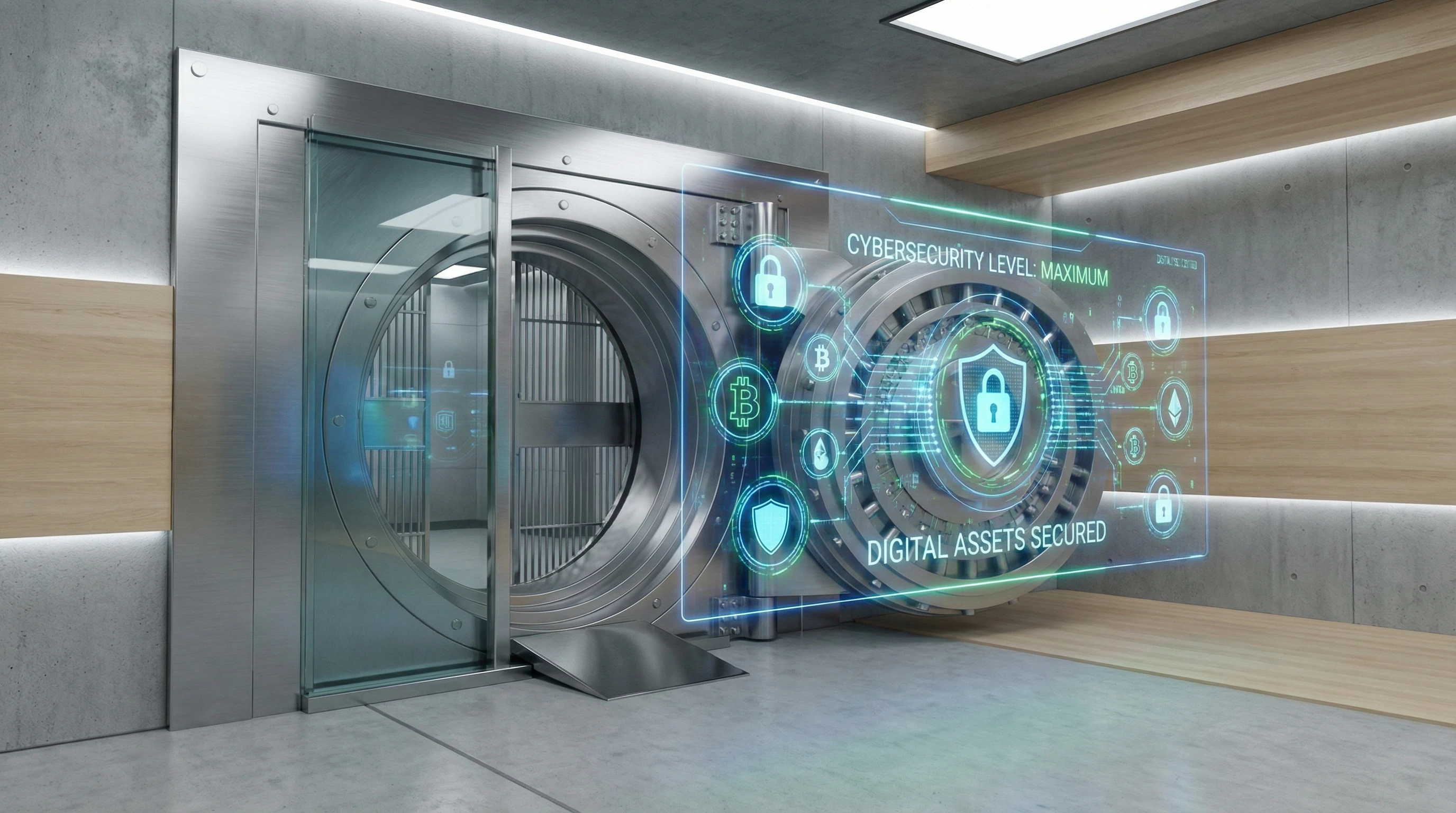
Banks use a mix of technology and policy to keep accounts safe. For me, the biggest comfort comes from knowing there are multiple layers of security in place. Even if a scammer tries something, banks don't just hand over your cash.
- Encryption: All banking transactions use encryption which scrambles your information, so hackers can’t easily read it even if they intercept it.
- Two-Factor Authentication (2FA): Many banks require a code sent to your phone or email, making it much harder for scammers to access your account even if they have your password.
- Fraud monitoring: Banks are constantly watching for unusual activity. I remember my card being frozen after buying something in another state. While it's sometimes inconvenient, it's also proof the protections work.
- Account alerts: You can set up notifications for every transaction. This way, I get a text the moment any money leaves my account, so I can spot suspicious charges right away.
- Zero-liability protection: Most major banks promise you won’t lose your money if you report fraudulent activity quickly. It’s important to read the terms for your account, so you know what’s covered and how soon you need to act.
What Makes Phishing So Effective?
Phishing targets people, not just technology. This explains why even the strongest computer systems can’t completely prevent it. Scammers pretend to be banks, government officials, or even friends. They send emails, texts, or calls that look legitimate and trick you into sharing your login details, bank numbers, or security codes.
Real cases show how this happens. For example, you might receive a text that appears to be from your bank, warning about so-called "suspicious activity" and asking you to confirm your details by clicking a link. If you go along, scammers can quickly move to empty your account.
Phishing scams constantly change their approach. Some set up fake websites you wouldn’t suspect, while others rely on creating urgency to scare you into fast action. No one is immune—everyone is a potential target, no matter how techsmart you think you are.
What Happens if Money Is Stolen From Your Bank Account?
If scammers manage to get into your account and take your money, banks don’t just walk away. Most banks have dedicated systems for you to report fraud, and often, you can get your money back—provided you act quickly and follow the bank’s procedures.
- Reporting fraud: Call your bank immediately and explain the situation. Most banks have hotlines or online forms to help.
- Freezing accounts: Banks can temporarily freeze your accounts to prevent further losses.
- Investigating claims: The bank will start an investigation, which may include tracking the money’s path and asking you for more details.
- Refund policies: Under regulations such as Regulation E (in the U.S.), consumers are usually protected from losses as long as they report the fraud quickly—typically within 60 days of your bank statement showing the unauthorized transaction. In my experience, acting fast makes a real difference.
If you wait too long or if you willingly share passwords or codes—even if you thought you were talking to a real bank—the bank’s protection may not cover you. Always check your bank’s terms and rules for what’s covered.
How I Keep My Bank Account Safe From Scammers
I stick to simple, smart habits to protect my accounts. Banks provide strong security tools, but how you use them matters. Here’s a rundown of what works for me, and can work for you too:
- Set up 2FA everywhere: This adds another hurdle for scammers. Even if they get my password, they still need a code sent to my phone.
- Use strong, unique passwords: I rely on a password manager to keep track of unique passwords for each financial service. This way, a breach at one site doesn’t mean trouble everywhere.
- Ignore suspicious emails and texts: Even if something looks urgent or official, I don’t click links from emails. Instead, I access my bank's app or website directly.
- Check accounts regularly: I make it a habit to review statements weekly. Unusual charges are much easier to spot, letting me act fast if something’s off.
- Never share codes or passwords: No real bank asks for these over text or phone call. If anyone calls and asks, I end the conversation immediately.
These straightforward steps cover the basics for day-to-day safety.
Risks and Realities: Keeping Money at Home vs. in the Bank
After reading about phishing, it’s natural to think about keeping cash at home. I’ve definitely mulled it over, especially after news of big security breaches. However, storing large amounts of cash at home brings new risks you'll have to consider.
- Theft and disasters: Cash at home is open to burglary, fire, or natural disasters. Without insurance, it’s gone forever if something happens.
- No interest or FDIC insurance: Bank accounts in the U.S. and other countries are insured by government agencies (like FDIC or NCUA for up to $250,000 per account owner per bank). That protection doesn’t exist for cash at home, and you miss out on any interest your balance could earn.
- Convenience: Banks smooth the way for paying bills, shopping, or transferring funds. Handling cash for everything just isn’t practical in today’s world.
- Protection from scams: While banks have their flaws, facing scammers alone means there’s no institution to back you up if a con goes wrong.
Cash has a role for small emergencies, but for most people, keeping the bulk of your savings in a secure, insured bank account is safer.
Common Mistakes That Put Bank Accounts at Risk
Sometimes we make simple mistakes that really open the door for trouble. Here are some key issues to keep an eye on—I’m not immune, and I’ve learned some of these the hard way:
- Reusing passwords: If a hacker gets access to one account, any others using the same password are at risk.
- Acting on urgent requests: Scammers love to rush you. Anytime someone pressures you to send information or money right now, take a breath and slow down.
- Skipping updates: Banking apps and devices need updates for better security. I use auto-update settings to make sure I don’t miss these patches.
- Ignoring bank alerts: If my bank sends an alert about a transaction, I check it straight away. A quick response can mean the difference between stopping fraud and facing major loss.
- Banking over public WiFi: Public WiFi networks are risky for financial logins. I stick to home or mobile data for all my banking needs.
How to Recognize a Legitimate Bank Communication
Banks reach out in different ways—emails, texts, and phone calls. Since scammers copy the same methods, here’s what I look for to tell the difference:
- Email address and phone number: I check that emails come from true business addresses (like @wellsfargo.com), and not awkward Gmail or other domains.
- Language and tone: Bad grammar, odd phrases, or generic greetings are a red flag. Banks keep communications polished and professional.
- Links and attachments: I avoid clicking any link in a surprise message. Instead, I access the bank directly through their official app or website.
- Threats or pressure: Real banks won’t threaten you with legal action or jail through email or text. Strong-arming you is a sure sign of a scam attempt.
This approach has saved me more than once from falling for clever tricks.
Extra Tools Banks Offer to Help You Stay Safe
Banks are always adding new features to give you more control and warning about your accounts. Here are a few I’ve made good use of:
- Mobile apps: With secure banking apps, I can instantly lock or unlock my cards. If a card goes missing or a strange charge appears, I can react immediately.
- Spending limits and alerts: I set spending boundaries and get notified for any transaction above a certain amount, so I catch fraud fast.
- Biometric logins: Unlocking with a fingerprint or face adds another layer of protection, making it much tougher for someone else to get in even if they grab your device.
Using these features puts me in the driver’s seat for my money's security—peace of mind at my fingertips.
Questions People Ask About Bank Account Safety and Phishing
I frequently hear questions from friends and family worried about their bank’s safety. Here are some of the most common things people want to know:
Question: If my money is stolen by a scammer, will my bank refund me?
Answer: Most banks refund losses from fraud if you report the problem quickly (usually within 60 days of the statement with the unauthorized charge). Every bank sets different rules, so check their fraud policy. If you were careless with sharing passwords, recovery might get complicated.
Question: Is it safer to use a bank or keep cash at home?
Answer: Banks offer insurance, security, and help if you’re scammed. Home cash isn’t protected, and it’s at risk from theft or disaster. A little cash for emergencies makes sense, but banks rule for your main savings.
Question: What’s the best way to avoid falling for a phishing scam?
Answer: I never click links or open files from unexpected messages, even ones that seem official. Instead, I connect to my bank directly through a trusted app or by typing their web address. With strong passwords and 2FA, I add a couple more layers of safety.
Question: Can a scammer empty my account if they get my details?
Answer: If a scammer gets everything they need, they could try to clean out your account, but banks set up real-time alerts, withdrawal limits, and other protections. Acting quickly gives you the best chance to stop the loss and recover your funds.
Wrapping Up: Bank Safety in the Age of Phishing
Even as phishing scams spread fast, banks set up serious defenses. By using strong passwords, enabling 2FA, and treating suspicious messages with care, I feel good about keeping my savings in the bank. Legal guarantees, banking technology, and knowing my own role all add up to a much safer experience than keeping a bundle of cash hidden at home. At the end of the day, digital protection is a shared job—I do my part to stay sharp, and the bank does theirs. Staying informed and alert goes a long way toward guarding what’s important.