
Cryptocurrency investment scams are something I’ve seen grow rapidly as more people rush into digital assets hoping for quick returns. The crypto market is exciting, but scammers are always looking for ways to take advantage of new investors. Recognizing scams and steering clear of them is really important for anyone, whether you’re brand new or have some experience with crypto. In this article, I will walk you through what these scams look like, how to spot the warning signs, and practical steps you can take to protect yourself from falling victim to them.
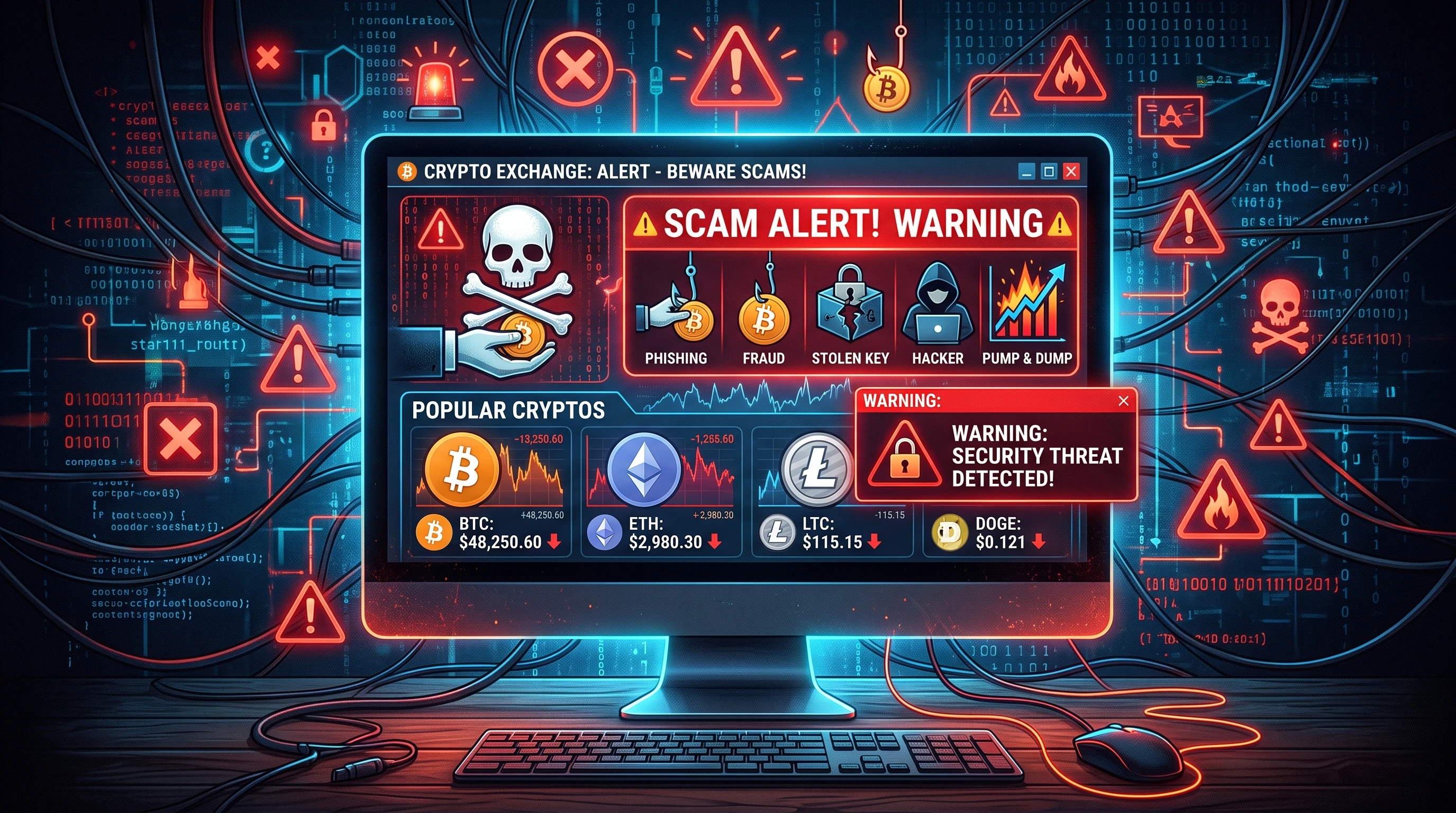
Understanding Cryptocurrency Investment Scams
Scammers use a wide range of tactics in the cryptocurrency world, and they often take advantage of people’s desire to find the next big thing. These scams come in many forms, but the goal is always the same: to separate you from your money. Getting familiar with how these schemes work gives me, and anyone interested in investing, a better shot at avoiding major financial losses.
With the rise of online investing platforms, it’s much easier now for fake projects and fraudulent offers to reach a wide audience. Reports from regulators, like the U.S. Federal Trade Commission (source), show losses from crypto investment scams have risen each year. Because transactions on the blockchain are hard to reverse, recovering funds can be next to impossible once they’re sent. Taking the time to understand the risks and recognizing the classic patterns of a scam is the first line of defense.
What Makes Crypto Investment Scams So Common?
Several things make cryptocurrency especially attractive to scammers. There’s little government oversight, transactions are mostly anonymous, and people often don’t know the ins and outs of how crypto works. If you add in the promise of fast profits, it’s easy to see why so many fall for these tricks.
The decentralized nature of crypto means you don’t have banks or traditional institutions watching over every transaction. Anyone with an internet connection can launch a website, issue a new token, and promote an "investment opportunity." Because of this, there’s a constant stream of new scams popping up. I have learned that being skeptical and asking tough questions is not just a good idea; it’s needed to avoid falling into a scam.
- Pseudonymity: Most blockchain transactions don’t require showing your real identity, so it’s hard to trace scammers.
- Irreversible Transactions: Once you send crypto, you usually can’t get it back. Scammers know this and act fast to move stolen coins.
- FOMO (Fear of Missing Out): The crypto space is packed with hype about “the next Bitcoin.” Scammers leverage this emotion to lure in victims.
Getting Started: Key Warning Signs of a Crypto Investment Scam
It took me a while to pick up on the signals, but now I always watch for certain red flags when I look into any crypto investment offer. Fraudsters often rely on urgency and secrecy, pushing you to act before you can fully think things through. Here are a few signals that should always make you slow down or stop:
- Promises of Guaranteed or High Returns: If someone claims you’ll definitely make a lot of money, be extra cautious. Real investments always carry some risk.
- Lack of Clear Team or Location: Many scam projects don’t reveal who’s behind them, or they list fake team members and addresses.
- Pressure to Act Fast: A common trick is telling you there’s only a short window to invest, or you’ll miss out. That pressure is a strong warning sign.
- No Real Product or Service: Some projects exist only as a website or a flashy whitepaper, but they never show a working platform, app, or product.
- Requests for Private Keys or Seed Phrases: No real company will ever ask for these. Sharing them gives complete control of your funds to someone else.
Quick Guide: Common Types of Cryptocurrency Investment Scams
I have seen crypto scams take on many different forms, often blending together to appear more convincing. Recognizing the main types helps you quickly filter out suspicious opportunities. Here’s what you should be watching for:
- Ponzi and Pyramid Schemes: These promise high returns if you bring in new investors. Early participants are paid with money from later ones. Once new money stops coming in, the scheme collapses.
- Fake Initial Coin Offerings (ICOs) or Token Sales: Scammers promote a new crypto project and collect funds during the “ICO” phase, then disappear without launching a product or token.
- Impersonation Scams: Fraudsters set up fake accounts pretending to be popular investors, influencers, or even crypto exchanges, and offer “investment tips” or fake giveaways.
- Pump and Dump Schemes: Scammers hype up a token to drive up its price. Once it spikes, they sell their holdings, causing the price to crash and leaving others with worthless coins.
- Phishing Links and Fake Wallets: Scammers email or message links to fake sites that collect your login information or trick you into downloading malware to steal your crypto.
Understanding these scams has helped me dodge several offers that sounded “too good to be true.” Always double-check any opportunity against these patterns.
What to Consider Before Investing in Cryptocurrency
While crypto investing can be exciting, it also comes with real risks, especially if you’re not careful. Before I invest in any new project or token, I look for several key details to make sure I’m not falling into a trap:
- Research the Team and Background: Verify the names, backgrounds, and work history of the team behind the project. A lack of transparency is a big warning.
- Check Whitepapers and Roadmaps: Serious projects have clear, detailed whitepapers and roadmaps. Vague or copied content is a red flag.
- Community and Social Media Presence: Solid projects usually have active, respectful communities. Watch out for fake followers or overwhelming hype that feels forced or inauthentic.
- Review the Technology: Real projects often have public code repositories, audits, or demonstrations of their product. If nothing is public or available, that’s reason for concern.
- Assess the Product or Use-Case: The most convincing scams often push technology that sounds impressive but does nothing new or useful. Ask yourself what real problem the project claims to solve.
Who’s Behind the Investment: Identifying Real Teams vs. Fake Fronts
I always try to track down the actual people working on a project. Professional profiles that link to real, active social media pages help build trust. I avoid investing in platforms where all the “team” members use generic names or have no digital footprint outside the scam’s own site.
Transparency in Communication
Legitimate crypto projects answer questions clearly and don’t hide behind jargon. Scammers usually dodge tough questions or try to change the subject when asked about how the project works or where funds go. Reading project communications and joining their official social channels can help reveal if something feels off.
Real-World Challenges of Detecting Crypto Scams
It’s not always easy to spot a scam right away, even if you’re careful. Scammers have become better at imitating legitimate investment platforms. Here are some struggles I’ve experienced, or that I’ve seen others face, when trying to make smart decisions:
- Overloaded with Technical Talk: Some scam projects use lots of complicated language to hide the fact that they have no real platform or product.
- Fake Testimonials and Hype: Social media can be full of bots and fake reviews, making it look like lots of people trust the platform. These are easy to stage and hard to verify.
- Copycat Websites and Social Channels: Scammers sometimes create exact copies of real company sites or social media handles, tricking people into trusting them.
Technical Overload and Jargon Bombs
Scammers often drown potential investors in technical words, making empty promises about “AI driven trading” or “guaranteed returns from blockchain protocols.” If I can’t explain the project’s main idea to a friend in simple terms, that’s my signal to walk away.
Fake Hype and Reviews
I check multiple independent sources before trusting online reviews, and I’m wary of claims that everyone is making huge profits. Sites like Reddit's CryptoScams or BitcoinTalk forums are good resources for honest feedback from seasoned investors and crypto users.
Protecting Yourself from Copycat Scams
Always check web addresses for tiny typos. Bookmark official sites rather than clicking through emails or ads, since “phishing” scams use nearly identical web domains. Double-check social media usernames to make sure you’re following real accounts.
Staying up to date on fraud tactics and learning from community experiences makes a big difference. Many credible crypto personalities regularly call out new scams on X (formerly Twitter) or specialized forums, and keeping an eye on their warnings has saved me from trouble more than once. If you engage with these communities, you'll often stumble upon alerts before they grow into larger schemes. The more I participate, the better I am at avoiding new threats.
Advanced Tips for Spotting Cryptocurrency Scams
Awareness of basic warning signs goes a long way, but I find that a few extra precautions can add another layer of safety. If you’re looking to be even more prepared, here are some steps I take when something feels even a little off:
Run WHOIS and Web Archive Checks: I look up the website registration date using tools like WHOIS. Scam sites usually go up only a few weeks or months before a major push. I also use the Web Archive to see if a project had a different name or purpose in the past.
Check Contract Audits: If the token is based on Ethereum, BNB Chain, or similar, I verify whether the smart contract has been publicly audited by a trusted third party. No audit or a fake one is a big warning signal.
Research Token Distribution: Public block explorers like Etherscan let you see how tokens are distributed. If one or two addresses hold nearly everything, that’s a major risk.
Test Customer Support: I contact the project’s support or help channels with a simple question. Poor or no response means the team may not be prioritizing real investors.
Look for Transparency in Listings: A token listed only on obscure exchanges may be harder to sell. Major exchanges do due diligence before listing new coins, so that adds some extra credibility.
Bringing these steps into my own routine has helped me avoid more than just the most obvious scams, especially as some projects get more creative. It helps to keep up with the latest scam alerts by joining forums, reading newsletters, and following trusted figures in the crypto world. Expanding your sources of information gives you a fuller picture of the possible dangers.
Action Steps: What to Do If You Suspect a Scam
If something doesn’t feel right, I always slow down before making any decisions. Here’s what works for me if I’m on the fence about an offer:
- Pause and Research: Don’t rush. Look up the project in scam databases or crypto forums to check for alerts about fraud.
- Ask for Proof: If someone reaches out directly (especially on social media), ask for proof of the company’s registration or any public audits.
- Double-Check the Whitepaper and Terms: Many times, scam projects reuse whitepapers from other failed or fake projects. Simple searches can reveal this.
- Report the Account: If you’re sure it’s a scam, report the site, app, or profile to relevant authorities like the FTC or local crime agencies. This helps others stay safe.
- Never Share Sensitive Information: No reputable platform will ever ask for private keys or recovery phrases. Keeping these private is the best way to keep your assets safe.
These steps have saved me from several close calls and, more importantly, helped others in my network think twice about clicking a link or trusting a too-good-to-be-true offer. Remind friends and family to be on guard as well and share resources with them.
The Basics: How to Safely Research a Crypto Investment
I’ve learned to apply a research routine to every new project I find interesting. Sticking to a few consistent practices helps keep emotions in check and lets me focus on facts, not hype:
- Start with Official Channels: Visit the project’s official website and verified social accounts for news and updates. Scammers often set up fake channels with minor differences in the account name.
- Search the Project’s Name + ‘Scam’: A quick web search with the word “scam” included often turns up early warnings from other users or investors.
- Verify Community Presence: Look at active conversations and see if developers and moderators answer questions openly. Healthy communities have dialogue, not just hype or scripted responses.
- Be Skeptical of Celebrity Endorsements: Many scams use fake celebrity endorsements to win trust. Always look for evidence from real news outlets.
- Compare Multiple Sources: I check crypto news, forums, and even financial regulators' websites for alerts or warnings about new projects or investment schemes.
By taking the time to check these basics, I feel much more confident that I’m making decisions based on reality, not just excitement or hearsay.
- Decentralized Finance (DeFi) Projects: DeFi has opened the doors to tons of innovation, but it’s a space where fake projects and "rug pulls" are sadly common. I look for the same research markers, team transparency, smart contract audits, and active communities, before getting involved.
- NFT Scams: Nonfungible tokens, or NFTs, also have their fair share of scams. I’m careful to purchase through official marketplaces, and I watch for projects with real artist profiles and verifiable sales history.
Frequently Asked Questions
These are some of the questions I often get from others who are interested in investing in cryptocurrency and want to stay safe:
Question: What should I do if I’ve already sent money to a suspect crypto project?
Answer: If you act quickly, you might be able to stop further losses by reporting the incident to your wallet provider or exchange. It’s also important to report the scam to law enforcement and regulatory agencies. Sadly, recovering funds is difficult, but sharing your story can help others.
Question: Are there official resources to check if a crypto investment is a scam?
Answer: Sites like the U.S. Securities and Exchange Commission’s Investor.gov ICO page and FINRA’s warning signs offer guidance and known scam lists. Online forums and local consumer protection agencies also post real-time alerts about recent scams.
Question: What’s the safest way for a beginner to get involved in crypto?
Answer: Start by using established, regulated exchanges. Avoid offers that come through unsolicited emails or messages and never share your private keys. Take your time to learn how the technology works and ask questions in trusted communities.
Final Thoughts
Staying alert and informed is really important in the crypto space. Even if new scams keep appearing, the main warning signs and protections remain the same. By carefully checking every investment opportunity, paying attention to red flags, and connecting with others in the crypto world, I reduce my risk of being caught out. Crypto investments can be worthwhile, but only when approached with a healthy dose of skepticism and a steady commitment to personal research and safeguarding funds. Whether you’re new to digital assets or already have some experience, it pays to keep questioning new opportunities and to track down the latest reviews and feedback from reliable sources.
Exploring cryptocurrency safely means being both curious and cautious, especially with new projects, tokens, or investment schemes. I always keep learning so I can enjoy the opportunities crypto offers without the stress or heartbreak of falling for a scam.