
The Razor Gold Gift Card was created for one specific purpose. buying digital content for games. Over the last few years, however, I’ve noticed a wave of people using these cards in ways very different from what Razor originally intended. Instead of sticking to game purchases, some buyers and sellers use Razor Gold to transfer money, treating the platform almost like a digital cash system. This behavior has made some people wonder why the government doesn’t just step in and limit these cards strictly to gaming. I want to walk through why this isn’t as straightforward as it sounds and share some relevant issues around regulation, technology, and financial safety.
How Razor Gold Gift Card Works
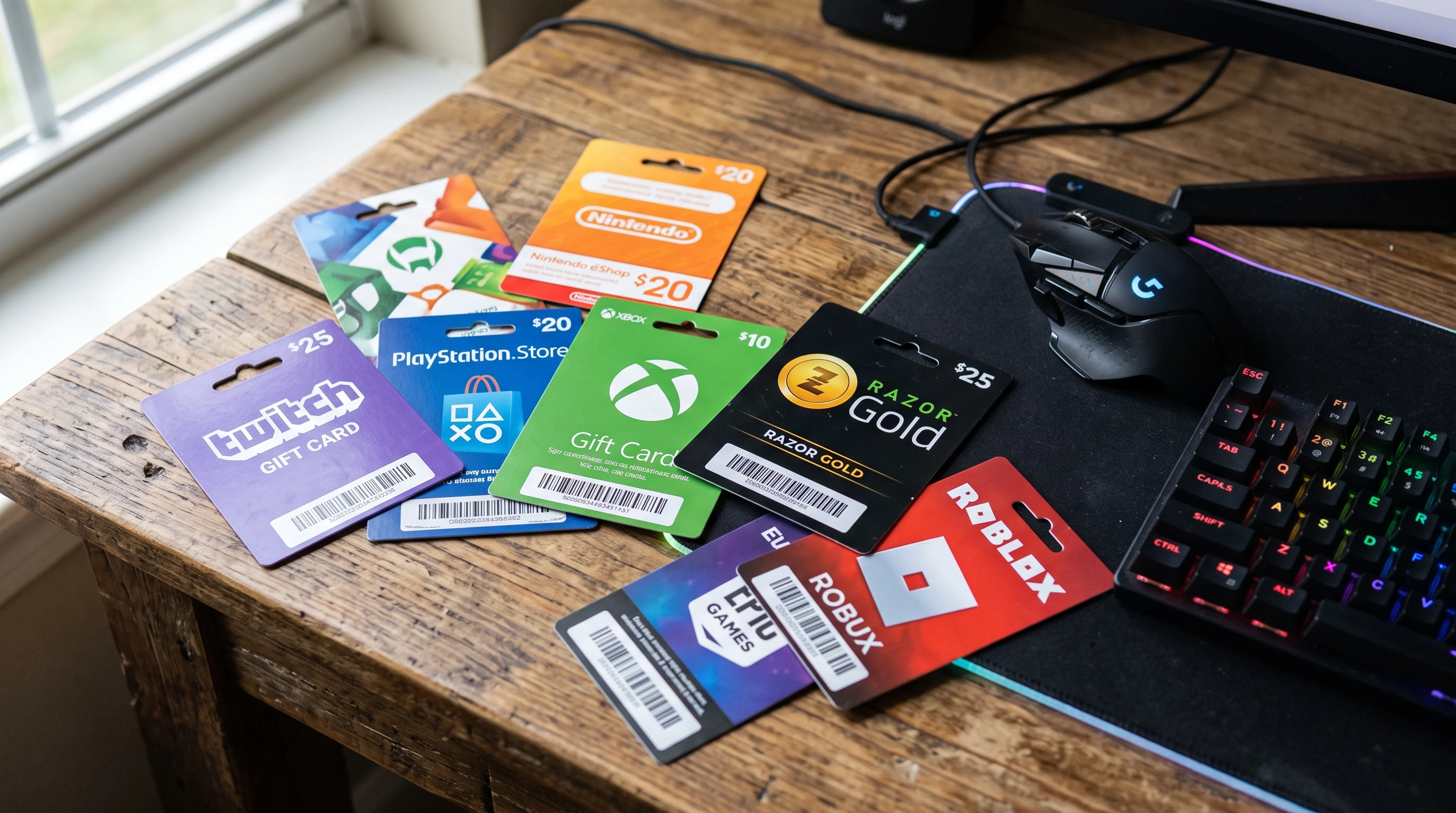
Razor Gold is a type of prepaid digital card. I can buy it online or at local stores, and I use it most commonly for topping up my gaming wallet. Usually, this means I can pay for in-game currency, unlock downloadable content, or buy bonus features whenever I play supported games.
Each Razor Gold card is a stored value product, working a lot like store gift cards. I purchase a fixed value, redeem a unique code, and the digital credit goes into my Razor wallet. This credit is meant for spending in specific online gaming portals or with partnered publishers. The intent is simple and clear: I’m supposed to use it for gaming, not as a general purpose tool for moving or exchanging money.
How Razor Gold Cards Are Used for Money Transfers
Despite being designed for gaming, people have found creative ways to abuse Razor Gold cards. Here’s a simple example I’ve run into while browsing online forums or social media: Someone agrees to buy a service or item and asks for payment through a Razor Gold card. Instead of a bank transfer, I just buy a card, send the code, and they redeem the value.
On the surface, this seems pretty harmless. But when you look deeper, it’s essentially a way to send money without using banks or services that have strong anti-money laundering checks. Some people use these cards for legitimate repayments, but others tap into this loophole for money laundering or scams. This misuse is what gets people really concerned, especially when authorities try to follow the money trail.
Common Misunderstandings About Gift Card Regulation
A lot of people think that because the government regulates banking, it should be easy to extend those same controls to game cards like Razor Gold. But that isn’t usually the case. Gift cards and digital payment systems aren’t treated the same way as banks or money transfer companies. Here’s why:
- Gift Cards Are Not Technically “Money”: The financial system classifies prepaid game cards as closed loop products. That means they are meant only for certain purchases and not for open transfers or general payments like cash.
- Scope Is Limited: The original design restricts spending to select platforms or merchants. If all users followed rules, there wouldn’t be much risk.
- Tracking Is Not Built In: Game cards don’t require personal details or bank accounts. This makes them easier to buy, but it also means less traceability when problems crop up.
Why Some People Want Restrictions on Razor Gold
Calls for tighter controls on game cards like Razor Gold come down to security and fighting fraud. Here are some of the biggest reasons I’ve heard for why stricter rules or restrictions might make sense:
- Preventing Money Laundering: When someone launders money, they try to hide where it comes from by moving it through multiple methods. Gift cards provide quick, anonymous movement, acting like a shortcut for hiding illegal cash.
- Reducing Online Scams: Criminals often trick people into buying and sending gift card codes as payment. If the government could restrict cards to only buying digital gaming items, a big scam vector would disappear.
- Helping Law Enforcement Track Fund Flows: Open money transfer through cards bypasses banks, making it hard for police or regulators to follow the money. By restricting uses, authorities would have an easier time tracking suspicious activity.
Barriers to Enforcing Usage Restrictions
Even though the intention is good, putting these kinds of restrictions in place comes with real challenges. I’ve seen several reasons why government action is tough to implement in reality.
Technical Limitations
Most gift card systems were built to be simple. Adding specific restrictions, like limiting redemptions to certain digital purchases, would require completely new back-end systems. Game platforms can hard code which products can be bought, but if someone sells or trades the card code outside these systems, enforcement fails quickly.
Jurisdictional Issues
Razor Gold cards can be bought nearly anywhere in the world. Each country has different financial laws and data privacy rules. Coordinating a global crackdown or standard on gift cards means dealing with hundreds of legal systems. Even if the government in one country sets strict limits, users in others might not face the same controls, and cross border misuse continues.
Balance Between User Freedom and Regulation
When I use my Razor Gold card, I appreciate not having to prove my identity each time or give out my bank details. Tighter regulations would add friction, making the cards less convenient for regular players. Game companies also worry about losing business from genuine users if rules get too tough.
Role of Razor and Similar Companies
Game card companies have started rolling out new tools and warnings, especially when it comes to customer safety. Razor, for example, reminds users during checkout that codes should never be shared with strangers and that gift cards are for gaming. But these warnings don’t always reach buyers who are intentionally looking for loopholes.
Companies could technically lock cards to specific games or ban code transfers, but that adds complexity to their systems and creates customer service headaches. Sometimes, people really do just want to send a card as a gift, so finding the right line between security and user experience gets complicated fast.
Recent Efforts to Address Abuse
Some countries have started looking more closely at prepaid gift cards. For example, agencies in the United States and parts of Europe have warned consumers about scams involving game cards. Some have promoted educational campaigns or even put spending limits on certain products.
Banks and payment processors sometimes step in by flagging gift card sales, requiring extra ID for larger purchases, or limiting daily spending to slow down illegal activity. However, since Razor Gold can be purchased with cash at convenience stores, many hurdles remain that make enforcement piecemeal at best.
What Would Happen If Only Game Purchases Were Allowed?
If governments were able to directly restrict Razor Gold cards so that they could only be redeemed for gaming, several things would likely change.
- Transferring money using these cards would become much harder, closing a popular option for money laundering and certain online scams.
- People who buy the cards as gifts would only be able to give them to gamers, not use them for broader payments or trades on resale markets.
- Hackers and fraudsters might move to other digital platforms or products not covered by such restrictions, switching things up but not entirely eliminating the issue.
Companies might also face increased costs for updating their platforms, maintaining stricter controls, and responding to more user questions and complaints about declined activity or locked accounts.
Challenges for Law Enforcement
When tracking down money launderers or stopping card fraud, police and cybercrime teams run into a few consistent problems:
- Codes are traded or sold across online marketplaces, peer to peer groups, and even messaging apps that are hard to monitor.
- Once a card code has been redeemed for a digital product, it’s often impossible to reverse the transaction or recover the funds.
- People who use fake IDs or stolen credit cards to bulk buy Razor Gold cards create another layer of confusion, further covering their tracks.
Building smarter AI tools to spot suspicious redemption patterns is one approach underway, but keeping up with increasingly sophisticated fraud tactics is an ongoing battle.
What Makes Game Cards Attractive for Money Laundering?
After following a few investigations and reading up on cybersecurity reports, I see that game cards like Razor Gold offer several traits that criminals find attractive for illegal transfers:
- Purchased easily with cash, with no proven ID needed
- Sold online in a matter of minutes
- Redeemable internationally, sidestepping local currency controls or sanctions
- No formal reporting requirements for buyers or sellers
This combo of speed, low oversight, and near instant value makes these cards very tempting for people who want to hide where their money is coming from or how it’s being moved around.
Other Areas Where Similar Problems Have Appeared
Razor Gold isn’t alone. I remember seeing similar news about Amazon, Google Play, Steam, and even iTunes gift cards. In all these cases, fraudsters and money launderers lean on the lack of strong buyer verification and the speed of code redemption to move money outside the traditional financial system.
This has led some industry groups and consumer advocates to suggest best practices, like placing limits on bulk purchases or adding stronger alerts on cards meant only for personal use. Some prepaid debit cards have started requiring registration or tracking large redemptions, but the gaming world operates in a slightly different way because of how accounts and rewards are structured.
Ideas for How Regulation Could Work
Just wishing for government controls isn’t enough to stop abuse, but there are some ideas people have floated to help reduce risk for Razor Gold and similar cards:
- Require cards to be redeemed only within verified user gaming accounts
- Limit the total monthly or yearly value a user can add to a single account with prepaid cards
- Use stronger AI to flag suspicious purchase or redemption patterns, alerting support teams for investigation
- Ban code trading on secondary markets or add locked codes that must be linked to a user before being activated
Each option comes with trade offs, either more friction for honest users, new costs for companies, or legal questions about privacy and digital rights.
Things Every Razor Gold User Should Know
For anyone who buys or receives these cards, I think being aware of the risks and limitations can help keep both your money and your gaming account safe. I always double check where I buy my cards and never share codes through messages or emails. If someone asks for a Razor Gold code as payment for something outside gaming, I treat that as a red flag.
The official Razor Gold website and gaming partners often publish safety guides. Reading these first is a smart move, whether you’re new to gaming or just trying to avoid scams.
Frequently Asked Questions
Can I use Razor Gold Gift Cards for anything except games?
The official answer is that Razor Gold is intended only for digital games and related services. Using it for payments or transfers outside those areas usually violates terms and could get your account blocked.
Is transferring money via game cards illegal?
Moving money through Razor Gold or similar game cards can break the rules set by the company. If used for money laundering or unlawful transactions, it may be considered illegal by authorities as well. It’s always safer to use regulated payment services for money transfers.
What should I do if someone asks for a Razor Gold code as payment?
Refuse and consider reporting it. This is a classic warning sign of a scam. Stick to using game cards for digital content only.
Why can’t the government just ban unauthorized transfers?
The structure of prepaid gift cards and digital wallets makes direct enforcement challenging and costly. Instead, education and close partnerships between companies, agencies, and consumers have the most impact right now.
Will Razor Gold ever switch to tighter controls?
The company periodically updates its policies. If widespread abuse continues, more restrictions may appear, but this will depend on new regulations, technical developments, and market pressure.
Final Thoughts on the Issue
Trying to force Razor Gold cards to work only for gaming and block money transfers completely isn’t as simple as it sounds. The technology, the global reach, and the fine line between user privacy and financial safety all add layers of complication. I know a lot of honest gamers rely on the convenience and flexibility of these cards, but the risks tied to scams and money laundering are very real.
I always recommend treating game cards as they were meant to be used: to buy digital content, support game creators, or send quick gifts to friends in the gaming world. Careful regulation, industry teamwork, and better user awareness are all needed to make game payments safer for everyone involved.
Some Extra Tips and Emerging Trends
Recently, more people are taking interest in how virtual economies grow fast in the gaming world and how this affects both players and companies. It’s critical to keep an eye on new scam strategies that pop up and to look for updates from official gaming channels. Community-driven forums sometimes act as an early warning system for suspicious patterns with Razor Gold and similar products. The more gamers share info, the less space there is for scams to spread like wildfire.
Also, as gift cards become even more popular, experts predict fresh efforts to add digital fingerprints or subtle tracking features to prepaid products. While this sounds like next-level cool technology, it’s bound to spark debates on privacy rights and convenience versus the need to fight fraud and laundering. Watching how these trends play out will help users and companies adjust their habits and security tools for the future.